About Me

- Zoy
- Aurora, Canada
- Holistic lover, enjoy biodynamic gardening, natural life style and herbal medicine.

Subscribe To



 Posts
All Comments
Posts
All Comments


Growing Herbs - Your Indoor Herb Garden Ideas
We believe that gardening is good for our souls, well being and certainly our stress level!
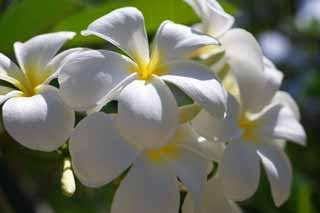 A perfect way to get the taste of summer is by growing herbs indoors during the cold months. Most people don’t realize just how easy it is to have your own kitchen herb garden. It doesn’t matter if you decide to start your garden from scratch or from a handy herb garden kit, you’ll find everything you need to know here.
You also can save money on your grocery bill without compromising on flavor by growing your own herbs indoors during the winter. Mediterranean herbs like rosemary, thyme, parsley, oregano and marjoram have a reputation for being hard to grow indoors—but it's easy to keep these delicious culinary herbs alive all winter long if you give them the right amount of light, water and humidity.
Now, more than ever before, people are beginning to realize that good health does not refer to an absence of disease. Rather, it is a balance of physical, mental, emotional and social wellness. Herbal health care is becoming increasingly popular because herbs provide natural stimulants that activate the body's own defence mechanisms.
Due to our sedentary lifestyle, processed foods and industrial advances, we have managed to discover a large number of chronic illnesses that were virtually unknown in the past. Medicines used to treat these diseases have side effects. In time, these medicines also become ineffective as the human body develops a resistance to the medicine. After battling it out for many years, practitioners of conventional medicine are finally willing to admit that herbs (medicinal, tea and even cooking) are an effective source of healing.
Herbs from the home garden provide the path to a slower pace of life. What could be more relaxing than a sweetly scented cup of herbal tea. A warm cup of lemon balm tea can make life's troubles vanish, a tall tumbler of an iced peppermint infusion will take the heat out of the fieriest summer day. A sprig of lemon verbena thrown into the teapot with your favorite tea will bring a smile to the faces. Herbal teas can be simple, consisting of one type of herb, or a more complex blend of flavors with many different combinations of tea herbs.
Within this blog, you will find information about growing herbs in the garden and indoor herb gardening, as well as information about growing medicinal herbs. Find out how easy it is to garden when you have the Moon working for you! Gardening by the Moon will help you plan when to sow, plant, water and harvest. There are also sources for getting supplies and equipment for your own home herb garden.
Source of healing and general well-being
 Many hundreds of herbs are known to have medicinal qualities. Even in light of modern synthetic medicines many people are looking to herbs as a source of healing, disease prevention, and general well-being. Used correctly and wisely, herbs can provide desirable medicinal results without adverse side effects.
Many hundreds of herbs are known to have medicinal qualities. Even in light of modern synthetic medicines many people are looking to herbs as a source of healing, disease prevention, and general well-being. Used correctly and wisely, herbs can provide desirable medicinal results without adverse side effects.
Therapeutical properties of medical herbs are very useful in healing various diseases and the advantage of these medicinal plants is being 100% natural.
Nowadays people are being bombarded with thousand of unhealthy products, the level of sensibility in front of diseases is very high and that's why the use of medicinal plants can represent the best solution.
Healing with herbs is an old tradition that most of us are aware of but not all of us use. Here you will find some gentle herbs that can take the sting out of simple bug bites or soothe a aching stomach. Easy to grow, these herbs will be well worth the effort.
The most common medicinal herbs:
Astragalus
Burdock
Cayenne
Echinacea
Feverfew
German Chamomile
Lemon Balm
Milk Thistle
Peppermint
St. John's Wort
Valerian
Yarrow
It is so much more than just a fragrant tea
 Everyone has heard of Chamomile. The German Chamomile, Matricaria recutita, is a native of Europe, and was brought by early settlers to North America.
For centuries, its flowers and leaves have been brewed and drunk as a fragrant tea, and the health benefits of the tea have been significantly acknowledged. Ancient Egyptians used Chamomile herb as a universal remedy. Modern science is now proving that the ancient cultures knew what they were talking about.
Researchers in England have found new evidence that the chamomile tea may actually help relieve a wide range of health ailments. Chamomile plant has been used as a remedy for calming the nerves and the stomach, and easing sleep. In addition to that it has a scent that can easily sooth your senses. Along with that, chamomile is also associated with style and elegance. Chamomile is pretty flower, has sweet smelling, daisy like flowers sit atop thin stalks and leaves.
Chamomile is one of those herbs that even beginners can grow and it is hardy through much of the globe. Growing Chamomile is really easy.
Culture The wonderful thing about this herb is that it's also very easy to grow.
Plant Spacing Plants should be spaced 6" (15 cm) apart.
Sun & Lighting Chamomile likes a sunny spot, but will tolerate some shade.
Uses
 Chamomile relaxes muscle. Drinking chamomile herbal tea help to soothe muscle aches, spasms, stomach and back aches and also reduces menstrual cramps.
Chamomile tea is an anti-inflammatory remedy that is used to treat skin problems such as acne, burns, stings, allergies, bruises, bites, etc.
Related Articles:
- Sowing a Seed
- Source of healing and general well-being
- Advantages of Herb Garden Kits
- Why to grow herbs in your garden
- How to Start Your Own Herb Garden
- Healthy Recipes from Folk Medicine
- Oolong Tea Facts and Health Benefits
Advantages of Herb Garden Kits
 If you would like to grow your own herbs but lack the knowledge of how to get started, then a herb garden kit can be the answer. There are a lot of questions that come along with starting an herb garden. Which herbs do better if they are grown from seeds? What is the right kind of soil to grow herbs in? How much water do they need? What kinds of herbs will I grow? By purchasing an herb garden kit you will have the answers to these questions... and much more.
Herb garden kits are specialized for a certain type of herb, and there are a large variety of kits available. Some examples are: Italian herbs, culinary herbs, international herbs, French herbs, herbal tea herbs, salsa herbs and many more. All herb kits contain similar items to get you up and running successfully.If you would like to grow your own herbs but lack the knowledge of how to get started, then a herb garden kit can be the answer. There are a lot of questions that come along with starting an herb garden. Which herbs do better if they are grown from seeds? What is the right kind of soil to grow herbs in? How much water do they need? What kinds of herbs will I grow? By purchasing an herb garden kit you will have the answers to these questions... and much more.All herb kits will contain the necessary seeds for the type of kit you have bought. They may contain a clear plastic dome or cover, giving consistent temperature and humidity to your plants to thrive and grow a healthy root system. There will be a base or planter to hold soil or growth pellets, where you will sow the seeds.
Again, all kits are different but, most kits will also provide either soil or pellets for growing the seeds. An essential part of each kit is the instructional guide, with easy to follow directions. Some kits even offer recipes for using the herbs that you are growing!
Growing herbs indoors from a herb kit has many benefits. The consistent growing conditions that are provided lessen your worries about winterizing herb plants or herbs that are not able to survive the winter weather conditions. The herbs have a constant temperature in which to thrive.
Most herb garden kits are small and compact, so are great for small spaces or apartments. You can easily control how much light and water your herbs get. By growing herbs indoors and following the instructional guide, you will take out the guess work. Success guaranteed!
Also, with the herbs right there in the kitchen, it will be easier to enjoy and use them. No treks out to the garden to collect a bit of one herb or another to add a little zing to the pot on the stove or to make an original herbal tea. It is also very easy to harvest the mature herbs and freeze or dry them for the future.
Although you will certainly want to become an expert herb gardener with an outdoor herb garden, by starting with a herb kit you can experience different herbs and decide which you would like to grow permanently. You will have a good idea also about the growing conditions your herbs require. Now, just take your herbs and transplant them from the kit out into your garden and you are on your way to becoming an herb expert.
Gardening expert Nicki Goff offers a free e-mail starter course all about her main passion... herb gardening. For access, visit her website, http://www.HomeHerbGardener.com. You'll find more great tips, and her new comprehensive e-book on creating, maintaining and enjoying your own home herb garden right here.
Article Source: ArticlesBase.com - Advantages of Herb Garden Kits
Related articles:
How to Start Your Own Herb Garden
 There are tons of different home gardening tips, indoor gardening tips, organic gardening tips, vegetable gardening tips - no wonder you can find it so overwhelming to figure out just which specific tips are going to be most useful. If this is your situation, you should know that out of all of these, there are a few home gardening tips in particular that are going to be useful for you to learn.
Why would you go for an indoor garden?
It will make your house look nice, and you feel good. You'll almost never need to brave the harsher weather elements that nature will throw at you for trying to compete with her. And ultimately in the grand scheme of things, it's good for you.
It's difficult to imagine how indoor gardening could be good for you, but really it has nothing to do with the gardening itself, more with the plants instead. If you hark back to the good old days of high school and peer pressure, you might just remember vaguely hearing something in science class about plants and photo-something-or-other.
Just to remind, it's a procedure called photosynthesis, where plants remove carbon dioxide from the air, and release oxygen into it instead, thereby removing pollutants from our environment. If you're living in a jungle there's not too much of a problem with that, but living as we are in our singular little houses, indoor plants are the next best thing.
A simple and easy place to start with would be try your hand at herb gardening. Simple to grow, useful in the kitchen, and best of all not the prima donna type.
Gardening, of any kind, just doesn't get any better than indoor gardening.
Best of the Primary Home Gardening Tips
- Easy maintenance and low costs are the main advantages of herb gardening. If you opt for indoor gardening, make sure you choose appropriate pots or containers.
- First you’ll want to choose the herbs that you’ll plant. You might have a hard time doing this because of the huge scope of herbs available. When I got ready to start my herb garden, I took a look at the spices in my kitchen cabinet and decide which ones I enjoy the most. I made a list of all the herbs my family and I enjoy and those are the ones I planted in my herb garden. By planting your own collection of these herbs, you can save money on buying them from the grocery store while having the added benefit of freshness. Some of the herbs you might start with are listed in cooking herbs, medical herbs and tea herbs posts.
- When getting started your herb garden, you should remember that the soil should have extremely good drainage. If the dirt gets watered and stays completely saturated, you have no chance of ever growing a healthy plant. One of the best ways to fix the drainage problem is put a layer of crushed rocks at the bottom of the pot or a container you are going to use. This will allow an extra water to escape, thus saving your plants.
- Ensure that the soil is of very good quality. In fact, if the purchased soil has organic matter added to it, so much the better; the herbs will grow faster. If you feel that soil quality does not matter, then you should not worry about the quality of your herbs either!
- Indoors or outdoors, no plant can live without sunlight. Most of the herbs need to be under direct sunlight; so placing them near windows is best. But it would be wise to keep the plants a few inches away from the window and not in direct contact with the window glass or window sill. During winter months, the temperature near the window is much cooler than the temperature a little inside the room.
- The plants in your indoor herb garden need trimming from time to time. Otherwise, they may become too big for the containers or pots. Trimming should be done with a pair of sharp scissors, never with a knife. A knife can damage the plants because a pulling motion is used.
- When you are ready to begin planting your herbs, you might be tempted to buy the more expensive plants from the store. However, with herbs it is much easier to grow them from seed than it is with other plants. Therefore you can save a bundle of money by sticking with seed packets.
- One of the often overlooked gardening tips by the new gardener is not paying attention to the proper time to begin seed starting. One of our tips is gardening by the phases of the moon. Gardening by the Moon is another option to introduce into your gardening to give you a bit of an edge when failure is NOT an option.
There is nothing like fresh herbs and especially, if you are the one that grew the herbs. So if you enjoy herbs or gardening, or both, then you should probably consider setting up an herb garden. It might require a little bit of work at first to set it up for optimal drainage, and pick what herbs you want to grow. But after the initial hassle, it’s just a matter of harvesting all your favourite herbs

Related Article:
Fresh and Tasty Digestion Helper
Basil is truly an incredible herb. It is enjoyed for its rich and spicy, mildly peppery flavor with a trace of mint and clove. Basil is an annual herb belonging to the mint family. Ocimum basilicum or Sweet Basil is the most commonly known and grown. Ocimum is from a Greek verb that means "to be fragrant." Flowers on the ends of branches are either white or lavender. Basil is native to India and Asia and having been cultivated there for more than 5,000 years.
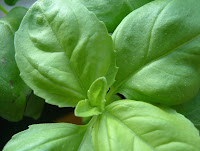
With so many attributes it isn't any wonder that basil has become increasingly popular over the years. Being a member of the mint family, it is not surprising to see it recommended for digestive complaints. So instead of an after dinner mint, try sipping an after dinner cup of basil herbal tea to aid digestion and dispel flatulence.
Herbalists have recommended basil for years for stomach cramps, vomiting and constipation. Basil has been described as having a slight sedative action, which would explain why it is sometimes recommended for headaches and anxiety.
Herbalists have recommended basil for years for stomach cramps, vomiting and constipation. Basil has been described as having a slight sedative action, which would explain why it is sometimes recommended for headaches and anxiety.
Sun & Lighting Grow best in a sunny location.
Uses
 The best flavour is found in fresh leaves, but frozen and dried leaves are worth the effort also. The leaves can be used cooked or raw. Crush, chip or mince the leaves and add to recipes, or add whole leaves to salads. Sprigs of basil make a wonderfully aromatic garnish. The flowers are beautiful, edible, and also make a unique garnish.
Basil is traditional in Italian, Mediterranean and Thai cookery. It is superb with veal, lamb, fish, poultry, white beans, pasta, rice, tomatoes, cheese and eggs. It blends well with garlic, thyme and lemon. Basil adds zip to mild vegetables like zucchini, summer squash, eggplant, potatoes, cabbage, carrots, cauliflower, parsnips, spinach and to the soups, stews and sauces in which these vegetables appear, and to add to its versatility, basil is also one of the ingredients in the liqueur chartreuse.
Related Articles:
Genus of Aromatic Herbs
 Thyme is a widely used culinary herb. There are several varieties, but the most popular is common thyme. The common name is Thymus, a genus of aromatic herbs or shrubby plants of the Mint Family, long cultivated and valued as both ornamentals and sweet herbs. It is a small, perennial shrub, native to the Mediterranean. They have small lavender or pink flowers.
Thyme is a widely used culinary herb. There are several varieties, but the most popular is common thyme. The common name is Thymus, a genus of aromatic herbs or shrubby plants of the Mint Family, long cultivated and valued as both ornamentals and sweet herbs. It is a small, perennial shrub, native to the Mediterranean. They have small lavender or pink flowers.
We find this fragrant herb in all sorts of recipes from meats and vegetables to sauces and breads. Thyme is considered “necessary” in clam chowder, bouquet garni, and herbs de Provence. In the European Middle Ages, the herb was placed beneath pillows to aid sleep and ward off nightmares.
Thyme herb is an easy plant to grow in a pot. It is very hardy and will grow under most conditions. A sunny location is best and good drainage is vital as thyme is somewhat susceptible to root rot. Regular pruning promotes growth so as you take cuttings for the kitchen consider shaping the plant as you go.
Culture
- Seed Spacing 4 to 5 seeds per inch at 1/8" depth
- Seed Germination 8 to 20 days.
- Plant Spacing Thyme plants should be spaced 18 to 24 inches (45 - 60cm) apart.
- Soil Requirements Light, well-draining, poor to fertile.
- Sun & Lighting Thyme grown outdoors prefers full sun.
- Water Requirements Average water needs. Water on a regular schedule, do not overwater.
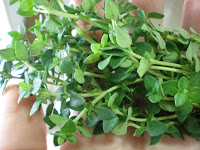 Thyme herb in its fresh form adds flavour to a recipe as well as making a lovely garnish. Thyme is slow to release its flavors so it is usually added early in the cooking process. Before adding fresh thyme to a dish, the greyish-green leaves should be stripped from the woody stem. These stems smoke pleasantly when tossed onto the coals while barbecuing.
 Related Articles:
Oh, dear! Why Are There Fruit Flies on My Herbs?
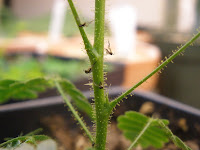 Surprisingly but culinary herbs and even medical herbs do get pests! While it is true that aromatic oils in many herbs keep the pest away, the tender herbs can become pest ridden.
Herbs grown indoors can be easily plagued by pests. If you have purchased herb plants, you may have been surprised to find Fungus Gnat larvae in the soil.
Who are they?
Fungus Gnats are the most frequent houseplant annoyance. To the naked eye, they look like those annoying little bugs flying around old bananas in the fruit bowl. It is likely that these buzzers actually are not Fruit Flies, but a relative insect known as the Fungus Gnat (Sciaridae).
While Fruit Flies hang out primarily in rotten foods, exposed fruit and in leaky fridges, you will find Fungus Gnats in wet plant soil and in household drains. They are attracted to CO2 (Carbon Dioxide) which explains why they are always right up in your face. They are also attracted to the light so you can often see FG around windows. The good news - Fungus gnats are harmless to humans and animals.
Adult Fungus Gnats live about a week and a half, and in that span can lay up to 200 eggs in moist soil. FG larvae lives in the soil of your plants and feed off decaying material... and occasionally your plant roots. They love moist, loaded with humus, compost-rich potting soils.
To see if you have larvae in your container herbs cut a small potato in a half and set on top of the soil. FG larvae are attracted to the row potato and will move to the surface to feed on it. In a couple days, check the slices. Advice: skip this step unless you have a really strong stomach.
How do I get rid of them!?
To make FG larvae go away pour a generous layer of sand on top of the soil and cover with cedar mulch. FGs are attracted to the top layer of wet soil. Because sand drains quickly, adults are confused by the new dry top layer of soil, even though your plant is good watered. The cedar mulch is ornamental and most insects hate the smell.
Transplant the offending plants can help, make sure you remove as much soil as possible. Potting mixes containing cocoa fibre, charcoal, and vermiculite blends are all helpful since they do not decay as quickly as peat blends do.
You can also purchase a Bt (Bacillus thuringiensis) product for flies and mosquitoes which works good for Fungus Gnat control. Make sure you get the correct type of Bt. Several are available in the market and each is working on a particular type. It is not effective for adult FG though.
How do I kill the adults now?
One way to keep ahead of these little critters is to put up sticky yellow traps to catch the adults. These traps are hung over plants and cause insects to stick to the card like a glue. This does not control larvae in the soil, but will prevent flying adults from laying more eggs. Another solution is electrocution-light. The FG will be attracted to the light and killed upon contact.
I trust you are well armed with information now and next time you see FG hovering around your plants you will know exactly what to do.
Vigorous plant with wonderful taste and lemony aroma
 There is common confusion about Bergamot. Bergamot fruit is a small sour kind of orange from Asia. The Chinese used Bergamot oil to flavour teas, which the English now call Earl Grey. When the English went to America they discovered a herb Monarda Bergamot which had an aroma similar to the Bergamot fruit and it became popular as a Bergamot tea.
Lemon Bergamot plant is also known as Lemon Bee Balm, Lemon Mint, Prairie Bergamot, Wild Bergamot, Lemon Horsemint, Lemon Horse Mint, Plains Horsemint, Lemon Bergamot, and Purple Horse Mint.
The strongly lemon-scented leaves are excellent in teas and as culinary herb, the flowers are edible. Its leaves are used fresh in salads and drinks and dried in herbal teas and potpourri blends. Lemon Bergamot has showy, scarlet flowers in large heads or whorls at the top of the stem.
Maintenance Easy.
Plant Spacing Place at least 12”-18” apart.
Fertilize Add a general purpose fertilizer once a month in the growing season.
Uses
Lemon Bergamot is a lovely citrus scented mint plant that can be used fresh or dried.
Lemon Bergamot (Monarda citriodora) tastes like a combination of lemon, pepper and thyme. It goes well in stuffing and sauces for various meats. Especially improves the flavor of pork dishes.
Five or six large fresh Bergamot leaves or 1 teaspoon dried leaves in 8 ounces boiling water make a refreshing and relaxing herbal tea. Medicinal Uses: Infuse leaves in oil as a hair conditioner. Apply to pimples, inhale for colds, or drink a little for nausea, flatulence and insomnia. Monarda Bergamot is said to relieve stress, anxiety, and depression, and contribute to a calm sleep. It is used in Europe to treat infections of the skin, respiratory tract, and urinary tract.
Like most Lemon-scented plants, Lemon Bergamot is a cleansing herb and has a reputation for clearing away bad luck in love and drawing in a new lover.
Related Articles:
A mighty plant that’s highly prolific
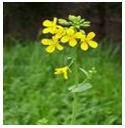 Mustard sprouts are a classic, quick to grow for a tasty salad with a spicy, peppery flavour. The name, "mustard", derives from the Latin word "mustum" which means "must".
Wild Mustard (B. juncea) is thought to be native to Western Asia and Europe, but is now grown in many parts of the world. Recorded evidence of the use of mustard can be found dating back 7000 years in India and it is also believed to have been widely used in Africa and China perhaps even earlier. Mustard is an ordinary-looking little seed with an impressive ability to grow into a mighty plant that’s highly prolific. Its reputation as both a seed with great promise and great piquancy is supported by numerous passages found everywhere from the Bible to Shakespeare.
Mustard green are a tradition dish in the southern US. Their popularity is starting to spread, however. The mustard plant's leaves are good sources of calcium, vitamin A and vitamin C, and they are great added to a salad or used in cooking.
Culture
Pot Size 6" wide and 10"deep container.
Seed Spacing Broadcast seeds over the soil surface and cover lightly with soil.
Seed Germination 8 to 14 days.
Plant Spacing 15” to 18”
Preferred pH Range Will grow in soil with pH of no less than 6.0.
Soil Requirements Well drained and rich fertile.
Growing Mix Use a mix of about two parts potting soil to one part coarse sand or perlite.
Fertilizer Feed with fish/seaweed liquid fertilizer every month. Less fertilizing is needed in the winter.
Sun & Lighting Grows best in full sun, but tolerate light shade.
Water Requirements Water on a regular schedule but keep soil moist
Uses
 Pick mustard leaves to use for sautéing or stewing. Add leaves to stir-fries and salads. Mustard Greens add a nice, sharp flavor contrast to mild, buttery lettuces and therefore are often one of the plants found in mesclun mixes.
As heat destroys much of the flavour of mustard, it's always best to add it late on in the cooking. Stew leaves with bacon or a ham hock, southern-style, or shred and sauté them with other greens to make a bed for grilled fish and meats. You can also add mustard greens to long-cooking soups and stews. Flowers can be used as an edible garnish.
Over the years, mustard been called an appetite stimulant, a digestive aid, and a decongestant in folk medicine. Because mustard increases blood circulation, it’s often used in plaster form to treat inflammation. Due to the presence of mucilages, mustard has laxative effects.
Related Articles:
Best Herbs to Grow in a Container Garden
 Why paying high prices for packages of fresh herbs at the grocery store when you can easily grow them at home. If you have ever thought to grow an herb garden, you should know that herbs are some of the easiest plants to grow. Even if you don't think of yourself as having a green thumb, you can be a successful herb gardener if you grow the easiest herbs that can be used fresh or dried for your daily needs.
Growing Herbs In Your Garden
 Why would you want to grow herbs in your garden? Fresh herbs are awesome. I love just putting basil leaves on a tuna sandwich and in salads. For the culinary lovers herbs are something they need fresh. Herbs serve as a major source for seasoning in preparation of foods. Herbs have a wider range of use. Some are used for scents and cosmetics while others for medicinal purposes. Effective Ayurvedic herbs and Chinese healing herbs are indications of the ancient remedies.
 Some herbs are believed to have possessed Magical charms and many a story has been written about magical potions. Herbs and spices have been major sources of trade between kingdoms and countries.
Herbs of yore are being rediscovered by modern science for fragrances and curing illness. Our ancestors knew the uses for almost every wild non-poisonous plant. Some of these plants were needed in the garden more as they never had refrigerator or the modern preservatives. These herbs served in many purposes like dyeing homespun fabrics, storing with linen to prevent insects and adding fragrance, preserving or enhancing the tastes of food.
Herb Gardens were almost an essential feature of pioneer homes. Sunny corners of the house that were readily accessible to home makers were planted with seasoning herbs. Wild crafted herbs that grew wild in the country side were also grown in the garden. Gardeners are not rediscovering the value of these herbs and are taking pleasure in producing their own herbs.
Herbs can be classified according to their use: culinary, aromatic, ornamental and medical.
Culinary Herbs
These are the most useful to herb gardeners. Garnishes and flavoring is where they are used more. A common list is Parsley, Sage, Chives, Thyme, Savory, Marjoram, Mint and Basil.
Aromatic Herbs
This sweet smelling foliage has been used for producing perfumes. Flowers are mostly used but even plant parts are used. Dried herbs retain their aroma for longer periods. Some aromatic herbs are Mint, Marjoram, Lovage, Lavender, Rosemary and Basil.
Ornamental Herbs
These herbs have bright flower and foliage. Variegated Thyme, Chives, Lavender as well as Valerian with crimson blossoms and borage and chicory with blue flowers are some ornamental herbs.
Medicinal Herbs
Some plants are thought to have healing powers. Modern science has researched and recognized some herbs as true healers while others have been said to be over rated in healing powers. Some of these herbs must be consumed carefully or it could result in dangerous consequences.
Gardeners Classification
Annuals, Biennials, and perennials are so called because of the nature of blooming and life span of the herb.
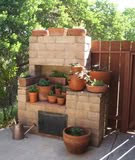 • Annuals bloom one season and then die. These herbs include Anise, Basil, Chervil, Coriander, Dill, Summer Savory, etc.
• Biennials live for two seasons. They bloom only in the second season. These include Caraway, Parsley, etc.
• Perennials bloom each season. These include Chives, Fennel, Lovage, Marjoram, Mint, Tarragon, Thyme, Winter Savory, etc.
Gardeners Tips for You
• If you intend to begin an herb garden then your guide to herbs for you to are Winter Savory, Rosemary, Sage, Sweet Basil, Dill, Mint, Marjory, Parsley, Chives and Summer Savory. You could choose any other herb to grow in your garden but know whether they are annuals, biennials or perennials.
• Herbs do not grow in wet soil. Good drainage is a must. Improve drainage by placing a 5 inch layer of crushed stones 15 to 18 inches below the top soil.
• Mix the soil with compost and sand to lighten the texture and increase fertility. Do not use fertilizers as highly fertile soils produce excess foliage with poor flavor.
• Almost all herbs can be grown from seeds. If possible sow seeds in shallow boxes in late winter and transplant these seedlings outdoors in spring. Anise, coriander, dill and fennel can be sown directly. Biennials should be sown in late spring directly into the ground. You could obtain an indoor herb garden kit and start of growing herbs indoors as well.
• Cutting and division is a useful method in propagating certain herbs.
• Harvesting in the form of picking the leaves is to be done when the plant has enough foliage to maintain growth. Harvest leaves before the flower buds open. This is when the flavor is at the peak . Pick seed heads when the color changes from green to brown or gray.
• Very few diseases or insects attack herbs. Rust infects mints and aphids may attack Caraway, Fennel, Dill and Anise.
• You could refrigerate or even dry herbs for later use.
http://www.herbportal.com is an attempt to make known some ancient rediscovered wisdom of herbs. The guide to herbs , indoor herb garden kit, etc. are articles that are aimed to provide comprehensive knowledge on herbs. What ever be the way you use herbs fresh or in perfumes it has a lot of benefits. Discover these and more.
Article Source: http://EzineArticles.com/?expert=Norma_Maria
;;
Subscribe to:
Posts (Atom)