About Me

- Zoy
- Aurora, Canada
- Holistic lover, enjoy biodynamic gardening, natural life style and herbal medicine.

Subscribe To



 Posts
All Comments
Posts
All Comments


Growing Herbs In Your Garden
 Why would you want to grow herbs in your garden? Fresh herbs are awesome. I love just putting basil leaves on a tuna sandwich and in salads. For the culinary lovers herbs are something they need fresh. Herbs serve as a major source for seasoning in preparation of foods. Herbs have a wider range of use. Some are used for scents and cosmetics while others for medicinal purposes. Effective Ayurvedic herbs and Chinese healing herbs are indications of the ancient remedies.
 Some herbs are believed to have possessed Magical charms and many a story has been written about magical potions. Herbs and spices have been major sources of trade between kingdoms and countries.
Herbs of yore are being rediscovered by modern science for fragrances and curing illness. Our ancestors knew the uses for almost every wild non-poisonous plant. Some of these plants were needed in the garden more as they never had refrigerator or the modern preservatives. These herbs served in many purposes like dyeing homespun fabrics, storing with linen to prevent insects and adding fragrance, preserving or enhancing the tastes of food.
Herb Gardens were almost an essential feature of pioneer homes. Sunny corners of the house that were readily accessible to home makers were planted with seasoning herbs. Wild crafted herbs that grew wild in the country side were also grown in the garden. Gardeners are not rediscovering the value of these herbs and are taking pleasure in producing their own herbs.
Herbs can be classified according to their use: culinary, aromatic, ornamental and medical.
Culinary Herbs
These are the most useful to herb gardeners. Garnishes and flavoring is where they are used more. A common list is Parsley, Sage, Chives, Thyme, Savory, Marjoram, Mint and Basil.
Aromatic Herbs
This sweet smelling foliage has been used for producing perfumes. Flowers are mostly used but even plant parts are used. Dried herbs retain their aroma for longer periods. Some aromatic herbs are Mint, Marjoram, Lovage, Lavender, Rosemary and Basil.
Ornamental Herbs
These herbs have bright flower and foliage. Variegated Thyme, Chives, Lavender as well as Valerian with crimson blossoms and borage and chicory with blue flowers are some ornamental herbs.
Medicinal Herbs
Some plants are thought to have healing powers. Modern science has researched and recognized some herbs as true healers while others have been said to be over rated in healing powers. Some of these herbs must be consumed carefully or it could result in dangerous consequences.
Gardeners Classification
Annuals, Biennials, and perennials are so called because of the nature of blooming and life span of the herb.
 • Annuals bloom one season and then die. These herbs include Anise, Basil, Chervil, Coriander, Dill, Summer Savory, etc.
• Biennials live for two seasons. They bloom only in the second season. These include Caraway, Parsley, etc.
• Perennials bloom each season. These include Chives, Fennel, Lovage, Marjoram, Mint, Tarragon, Thyme, Winter Savory, etc.
Gardeners Tips for You
• If you intend to begin an herb garden then your guide to herbs for you to are Winter Savory, Rosemary, Sage, Sweet Basil, Dill, Mint, Marjory, Parsley, Chives and Summer Savory. You could choose any other herb to grow in your garden but know whether they are annuals, biennials or perennials.
• Herbs do not grow in wet soil. Good drainage is a must. Improve drainage by placing a 5 inch layer of crushed stones 15 to 18 inches below the top soil.
• Mix the soil with compost and sand to lighten the texture and increase fertility. Do not use fertilizers as highly fertile soils produce excess foliage with poor flavor.
• Almost all herbs can be grown from seeds. If possible sow seeds in shallow boxes in late winter and transplant these seedlings outdoors in spring. Anise, coriander, dill and fennel can be sown directly. Biennials should be sown in late spring directly into the ground. You could obtain an indoor herb garden kit and start of growing herbs indoors as well.
• Cutting and division is a useful method in propagating certain herbs.
• Harvesting in the form of picking the leaves is to be done when the plant has enough foliage to maintain growth. Harvest leaves before the flower buds open. This is when the flavor is at the peak . Pick seed heads when the color changes from green to brown or gray.
• Very few diseases or insects attack herbs. Rust infects mints and aphids may attack Caraway, Fennel, Dill and Anise.
• You could refrigerate or even dry herbs for later use.
http://www.herbportal.com is an attempt to make known some ancient rediscovered wisdom of herbs. The guide to herbs , indoor herb garden kit, etc. are articles that are aimed to provide comprehensive knowledge on herbs. What ever be the way you use herbs fresh or in perfumes it has a lot of benefits. Discover these and more.
Article Source: http://EzineArticles.com/?expert=Norma_Maria
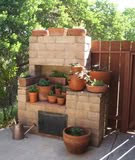
Takes just a little space but give so much pleasure!
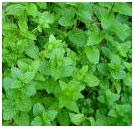 Peppermint, M. Piperita, is a wandering, invasive herb with a deep purple, square stem and deep green leaves. Peppermint has been used for centuries for it's culinary, medicinal, and aromatic properties.
Culture
Pot Size 6 to 8 inches container.
Seed Spacing Sow seeds 2" apart approximately 1/2" to 1/8" deeps.
Growing Mix Mix a little sand in with a good food-friendly potting soil.
Fertilizer Fertilize once a month with a liquid organic fertilizer.
Uses
 There are many ways to use the Peppermint in a variety of culinary recipes. One is to float some fresh Peppermint leaves in chilled summer drinks or add the herb as an ingredient in different fruit punches. The Peppermint must always be added as crushed leaves before use to bring out the optimum flavor in the dishes, unless of course, you are making use of the herb as a garnish for various salads and greens.
The classic application for mint of course is for roast lamb. However, the herb goes equally well with all meats including chicken and fish and especially with the hearty taste of wild meats such as venison, particularly if served with a berry sauce. Most vegetables also will be enhanced with the addition of mint, notably new potatoes, peas and carrots.
And you definitely have heard about peppermint oil. Peppermint oil like other herbs and spices has great medicinal properties. It has been used for years to clam digestion as it is an excellent digestive aid. Just a few drops in a glass of water make it a refreshing drink that has not only a good taste but also improves digestion. Peppermint oil fights against upset stomachs, stops the growth of unnecessary bacteria, calms and relaxes the muscles. Peppermint oil abandons gas, bloating and abdominal cramps and increases the formation of digestive fluids.
Related Articles:
;;
Subscribe to:
Posts (Atom)