About Me

- Zoy
- Aurora, Canada
- Holistic lover, enjoy biodynamic gardening, natural life style and herbal medicine.

Subscribe To



 Posts
All Comments
Posts
All Comments


Growing Herbs - Your Indoor Herb Garden Ideas
We believe that gardening is good for our souls, well being and certainly our stress level!
 A perfect way to get the taste of summer is by growing herbs indoors during the cold months. Most people don’t realize just how easy it is to have your own kitchen herb garden. It doesn’t matter if you decide to start your garden from scratch or from a handy herb garden kit, you’ll find everything you need to know here.
You also can save money on your grocery bill without compromising on flavor by growing your own herbs indoors during the winter. Mediterranean herbs like rosemary, thyme, parsley, oregano and marjoram have a reputation for being hard to grow indoors—but it's easy to keep these delicious culinary herbs alive all winter long if you give them the right amount of light, water and humidity.
Now, more than ever before, people are beginning to realize that good health does not refer to an absence of disease. Rather, it is a balance of physical, mental, emotional and social wellness. Herbal health care is becoming increasingly popular because herbs provide natural stimulants that activate the body's own defence mechanisms.
Due to our sedentary lifestyle, processed foods and industrial advances, we have managed to discover a large number of chronic illnesses that were virtually unknown in the past. Medicines used to treat these diseases have side effects. In time, these medicines also become ineffective as the human body develops a resistance to the medicine. After battling it out for many years, practitioners of conventional medicine are finally willing to admit that herbs (medicinal, tea and even cooking) are an effective source of healing.
Herbs from the home garden provide the path to a slower pace of life. What could be more relaxing than a sweetly scented cup of herbal tea. A warm cup of lemon balm tea can make life's troubles vanish, a tall tumbler of an iced peppermint infusion will take the heat out of the fieriest summer day. A sprig of lemon verbena thrown into the teapot with your favorite tea will bring a smile to the faces. Herbal teas can be simple, consisting of one type of herb, or a more complex blend of flavors with many different combinations of tea herbs.
Within this blog, you will find information about growing herbs in the garden and indoor herb gardening, as well as information about growing medicinal herbs. Find out how easy it is to garden when you have the Moon working for you! Gardening by the Moon will help you plan when to sow, plant, water and harvest. There are also sources for getting supplies and equipment for your own home herb garden.

If you would like to grow your own herbs but lack the knowledge of how to get started, then a herb garden kit can be the answer. There are a lot of questions that come along with starting an herb garden. By purchasing an herb garden kit you will have the answers to these questions... and much more.

Saving the Earth and protecting children and pets from dangerous chemicals are the reasons most gardeners cite for giving up pesticides and synthetic fertilizers, but guess what? Making the switch to organic gardening methods will save you money too! Here are six examples....

You are an ardent opponent of all kinds of pharmacological innovations and tablets? But colds and viruses attack you from all sides? Do not despair, we will tell you how without "chemistry" help the body to cope with the first symptoms of infection.

There has been a lot of hype in recent years about the potential for a global viral pandemic. SARS, avian flu and West Nile virus are examples from the recent past that could have far worse consequences than what actually occurred. Now it`s H1N1, the latest version of swine flu, that is the big concern.

When it comes to traditional tea, we have three main types, black, green, and white. But if you are ready for something different, try oolong tea. With a different flavor than black, green or white teas, oolongs are a rare treat.
Oolong tea is also sometimes known as Wu long tea or Wulong tea, after it's originator.

Surprisingly but herbs do get pests! While it is true that aromatic oils in many herbs keep the pest away, the tender herbs can become pest ridden. Herbs grown indoors can be easily plagued by pests. If you have purchased herb plants, you may have been surprised to find Fungus Gnat larvae in the soil.

During festive times, after a heavy night of drinking and merry making, people often wake up miserable and it is only then they start to think of a hangover cure. Today's hangover treatments contain ingredients like B vitamins, vitamin C, activated charcoal and many others.

Why would you want to grow herbs in your garden? Fresh herbs are awesome. I love just putting basil leaves on a tuna sandwich and in salads. For the culinary lovers herbs are something they need fresh. Herbs serve as a major source for seasoning in preparation of foods. Herbs have a wider range of use.
How to Start Your Own Herb Garden
 There are tons of different home gardening tips, indoor gardening tips, organic gardening tips, vegetable gardening tips - no wonder you can find it so overwhelming to figure out just which specific tips are going to be most useful. If this is your situation, you should know that out of all of these, there are a few home gardening tips in particular that are going to be useful for you to learn.
Why would you go for an indoor garden?
It will make your house look nice, and you feel good. You'll almost never need to brave the harsher weather elements that nature will throw at you for trying to compete with her. And ultimately in the grand scheme of things, it's good for you.
It's difficult to imagine how indoor gardening could be good for you, but really it has nothing to do with the gardening itself, more with the plants instead. If you hark back to the good old days of high school and peer pressure, you might just remember vaguely hearing something in science class about plants and photo-something-or-other.
Just to remind, it's a procedure called photosynthesis, where plants remove carbon dioxide from the air, and release oxygen into it instead, thereby removing pollutants from our environment. If you're living in a jungle there's not too much of a problem with that, but living as we are in our singular little houses, indoor plants are the next best thing.
A simple and easy place to start with would be try your hand at herb gardening. Simple to grow, useful in the kitchen, and best of all not the prima donna type.
Gardening, of any kind, just doesn't get any better than indoor gardening.
Best of the Primary Home Gardening Tips
- Easy maintenance and low costs are the main advantages of herb gardening. If you opt for indoor gardening, make sure you choose appropriate pots or containers.
- First you’ll want to choose the herbs that you’ll plant. You might have a hard time doing this because of the huge scope of herbs available. When I got ready to start my herb garden, I took a look at the spices in my kitchen cabinet and decide which ones I enjoy the most. I made a list of all the herbs my family and I enjoy and those are the ones I planted in my herb garden. By planting your own collection of these herbs, you can save money on buying them from the grocery store while having the added benefit of freshness. Some of the herbs you might start with are listed in cooking herbs, medical herbs and tea herbs posts.
- When getting started your herb garden, you should remember that the soil should have extremely good drainage. If the dirt gets watered and stays completely saturated, you have no chance of ever growing a healthy plant. One of the best ways to fix the drainage problem is put a layer of crushed rocks at the bottom of the pot or a container you are going to use. This will allow an extra water to escape, thus saving your plants.
- Ensure that the soil is of very good quality. In fact, if the purchased soil has organic matter added to it, so much the better; the herbs will grow faster. If you feel that soil quality does not matter, then you should not worry about the quality of your herbs either!
- Indoors or outdoors, no plant can live without sunlight. Most of the herbs need to be under direct sunlight; so placing them near windows is best. But it would be wise to keep the plants a few inches away from the window and not in direct contact with the window glass or window sill. During winter months, the temperature near the window is much cooler than the temperature a little inside the room.
- The plants in your indoor herb garden need trimming from time to time. Otherwise, they may become too big for the containers or pots. Trimming should be done with a pair of sharp scissors, never with a knife. A knife can damage the plants because a pulling motion is used.
- When you are ready to begin planting your herbs, you might be tempted to buy the more expensive plants from the store. However, with herbs it is much easier to grow them from seed than it is with other plants. Therefore you can save a bundle of money by sticking with seed packets.
- One of the often overlooked gardening tips by the new gardener is not paying attention to the proper time to begin seed starting. One of our tips is gardening by the phases of the moon. Gardening by the Moon is another option to introduce into your gardening to give you a bit of an edge when failure is NOT an option.
There is nothing like fresh herbs and especially, if you are the one that grew the herbs. So if you enjoy herbs or gardening, or both, then you should probably consider setting up an herb garden. It might require a little bit of work at first to set it up for optimal drainage, and pick what herbs you want to grow. But after the initial hassle, it’s just a matter of harvesting all your favourite herbs

Related Article:
Fresh and Tasty Digestion Helper
Basil is truly an incredible herb. It is enjoyed for its rich and spicy, mildly peppery flavor with a trace of mint and clove. Basil is an annual herb belonging to the mint family. Ocimum basilicum or Sweet Basil is the most commonly known and grown. Ocimum is from a Greek verb that means "to be fragrant." Flowers on the ends of branches are either white or lavender. Basil is native to India and Asia and having been cultivated there for more than 5,000 years.
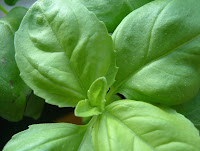
With so many attributes it isn't any wonder that basil has become increasingly popular over the years. Being a member of the mint family, it is not surprising to see it recommended for digestive complaints. So instead of an after dinner mint, try sipping an after dinner cup of basil herbal tea to aid digestion and dispel flatulence.
Herbalists have recommended basil for years for stomach cramps, vomiting and constipation. Basil has been described as having a slight sedative action, which would explain why it is sometimes recommended for headaches and anxiety.
Herbalists have recommended basil for years for stomach cramps, vomiting and constipation. Basil has been described as having a slight sedative action, which would explain why it is sometimes recommended for headaches and anxiety.
Sun & Lighting Grow best in a sunny location.
Uses
 The best flavour is found in fresh leaves, but frozen and dried leaves are worth the effort also. The leaves can be used cooked or raw. Crush, chip or mince the leaves and add to recipes, or add whole leaves to salads. Sprigs of basil make a wonderfully aromatic garnish. The flowers are beautiful, edible, and also make a unique garnish.
Basil is traditional in Italian, Mediterranean and Thai cookery. It is superb with veal, lamb, fish, poultry, white beans, pasta, rice, tomatoes, cheese and eggs. It blends well with garlic, thyme and lemon. Basil adds zip to mild vegetables like zucchini, summer squash, eggplant, potatoes, cabbage, carrots, cauliflower, parsnips, spinach and to the soups, stews and sauces in which these vegetables appear, and to add to its versatility, basil is also one of the ingredients in the liqueur chartreuse.
Related Articles:
Genus of Aromatic Herbs
 Thyme is a widely used culinary herb. There are several varieties, but the most popular is common thyme. The common name is Thymus, a genus of aromatic herbs or shrubby plants of the Mint Family, long cultivated and valued as both ornamentals and sweet herbs. It is a small, perennial shrub, native to the Mediterranean. They have small lavender or pink flowers.
Thyme is a widely used culinary herb. There are several varieties, but the most popular is common thyme. The common name is Thymus, a genus of aromatic herbs or shrubby plants of the Mint Family, long cultivated and valued as both ornamentals and sweet herbs. It is a small, perennial shrub, native to the Mediterranean. They have small lavender or pink flowers.
We find this fragrant herb in all sorts of recipes from meats and vegetables to sauces and breads. Thyme is considered “necessary” in clam chowder, bouquet garni, and herbs de Provence. In the European Middle Ages, the herb was placed beneath pillows to aid sleep and ward off nightmares.
Thyme herb is an easy plant to grow in a pot. It is very hardy and will grow under most conditions. A sunny location is best and good drainage is vital as thyme is somewhat susceptible to root rot. Regular pruning promotes growth so as you take cuttings for the kitchen consider shaping the plant as you go.
Culture
- Seed Spacing 4 to 5 seeds per inch at 1/8" depth
- Seed Germination 8 to 20 days.
- Plant Spacing Thyme plants should be spaced 18 to 24 inches (45 - 60cm) apart.
- Soil Requirements Light, well-draining, poor to fertile.
- Sun & Lighting Thyme grown outdoors prefers full sun.
- Water Requirements Average water needs. Water on a regular schedule, do not overwater.
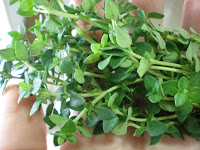 Thyme herb in its fresh form adds flavour to a recipe as well as making a lovely garnish. Thyme is slow to release its flavors so it is usually added early in the cooking process. Before adding fresh thyme to a dish, the greyish-green leaves should be stripped from the woody stem. These stems smoke pleasantly when tossed onto the coals while barbecuing.
 Related Articles:
Oh, dear! Why Are There Fruit Flies on My Herbs?
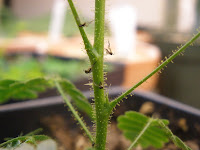 Surprisingly but culinary herbs and even medical herbs do get pests! While it is true that aromatic oils in many herbs keep the pest away, the tender herbs can become pest ridden.
Herbs grown indoors can be easily plagued by pests. If you have purchased herb plants, you may have been surprised to find Fungus Gnat larvae in the soil.
Who are they?
Fungus Gnats are the most frequent houseplant annoyance. To the naked eye, they look like those annoying little bugs flying around old bananas in the fruit bowl. It is likely that these buzzers actually are not Fruit Flies, but a relative insect known as the Fungus Gnat (Sciaridae).
While Fruit Flies hang out primarily in rotten foods, exposed fruit and in leaky fridges, you will find Fungus Gnats in wet plant soil and in household drains. They are attracted to CO2 (Carbon Dioxide) which explains why they are always right up in your face. They are also attracted to the light so you can often see FG around windows. The good news - Fungus gnats are harmless to humans and animals.
Adult Fungus Gnats live about a week and a half, and in that span can lay up to 200 eggs in moist soil. FG larvae lives in the soil of your plants and feed off decaying material... and occasionally your plant roots. They love moist, loaded with humus, compost-rich potting soils.
To see if you have larvae in your container herbs cut a small potato in a half and set on top of the soil. FG larvae are attracted to the row potato and will move to the surface to feed on it. In a couple days, check the slices. Advice: skip this step unless you have a really strong stomach.
How do I get rid of them!?
To make FG larvae go away pour a generous layer of sand on top of the soil and cover with cedar mulch. FGs are attracted to the top layer of wet soil. Because sand drains quickly, adults are confused by the new dry top layer of soil, even though your plant is good watered. The cedar mulch is ornamental and most insects hate the smell.
Transplant the offending plants can help, make sure you remove as much soil as possible. Potting mixes containing cocoa fibre, charcoal, and vermiculite blends are all helpful since they do not decay as quickly as peat blends do.
You can also purchase a Bt (Bacillus thuringiensis) product for flies and mosquitoes which works good for Fungus Gnat control. Make sure you get the correct type of Bt. Several are available in the market and each is working on a particular type. It is not effective for adult FG though.
How do I kill the adults now?
One way to keep ahead of these little critters is to put up sticky yellow traps to catch the adults. These traps are hung over plants and cause insects to stick to the card like a glue. This does not control larvae in the soil, but will prevent flying adults from laying more eggs. Another solution is electrocution-light. The FG will be attracted to the light and killed upon contact.
I trust you are well armed with information now and next time you see FG hovering around your plants you will know exactly what to do.
This is probably the most important post in the history of this blog.
Doctor seed
Almost everybody can grow the plants from a seed, but do you know how to make plants to become your own doctor? Below you will find unique information on how to make your plants to know you and help to improve significantly your physical and mental health.
To load this information into any kind of seed it is necessary to do next:
- Before planting or sowing a dry seed (don't soak it in the water) take it into the mouth and keep not less than nine minutes.
Then take seeds in your hands (in-between your palms), hold it for thirty seconds. If planting outside you should stand barefoot on the very spot where seeds are going to be planted.
- After that open your palms, bring your hands close to your mouth, then blow on seeds lightly, warming it with your breath, and the wee little seed will know everything that is within you.
- Next, keep it in the open air in the sun for thirty seconds. Now the seeds are ready to be put into the ground. Before you plant it is necessary to crumple the soil with your fingers and the toes of your bare feet and after that spit into it. "Why with toes?" Because toxicants are coming out of a human body through the feet sweating. These are containing the information about an organism which had been sick. The young plant would get this information and would be able to fight the sickness.
- Never water it right away after planting! So as not to wash away the saliva which is now covering it, along with other information about you that the seed will take in. You can water it only three days after planting.
It is very important the way they were planted and direct communication with plants is needed. Talk to them, touch their tiny leafs and fill gratitude – they love you and, doing their best, growing just for you! Only in that case the healing effect and the life support of your physical body would be much higher than just from plant growing. There are many plants which are able to heal all kinds of existing diseases. They exist only for this purpose!
This kind of plants will give the most beneficial effect if consumed within three days after harvesting, not later.
If you make connections with the plants in your garden-plot, they will take care of you and cure you. They will diagnose your condition very precisely on their own and produce the most effective remedy specially destined for you.
This information was taken from the book of Russian writer V.Megre, “Anastasia, The ringing cedars of Russia”.
Simple Guidelines for Purchasing Herbs
By Kiva Rose
 Let me begin by saying that I recommend gathering your own herbs if at all possible, in part because this is the only way to really ensure the quality and treatment of the plants is truly optimal. And do realize, that pretty much wherever you are, you have the ability to collect some of your own food and medicine. Any child can learn to recognize a few basic (but very important) herbs, and so can you! Perhaps most important, is that this is one of the best ways to form a lasting and powerful relationship with the plants.
 However, I know that many of you have neither the time, expertise, land, energy or even desire to realistically harvest the bulk of your herbs. So here’s some of my experience-based understandings to help you knowledgeably purchase your medicinal herbs. Over the years, I’ve seen that many herbs will behave in their expected way even if not of the premium organic, small farm variety. I’ve also noticed that some plants simply MUST be harvested very carefully from a healthy environment in order for them to work well (if at all). With a few of these herbs it’s totally clear that they just don’t work, as in the Skullcap is completely inert. In other cases, they seem to work, kind of, of they work well in some ways but the breadth and depth of their effect has been lost somewhere in the industrial process, (Ashwagandha is especially prone to this).
- First of all, just completely avoid all plant matter that is some indeterminate shade of yellow-brown and has that distinct musty smell. Reject any herb that does not still look very much like it did while alive, it should still be vibrant and inspirited. If you’re buying from an herb store, it’s really preferable that the proprietor of the shop know where the herbs came from, when they were harvested and purchased and something about the nature of the herb itself (something besides the newest drivel from alt. health glossies).
Best places to by organic herbs and spices:
 Birthing & Motherhood
 - Culinary Herbs
- Herbs for Dyeing & Colouring
- Herbs for Salves
- Poultice Herbs
Teaming with Microbes:
The Organic Gardener's Guide to the Soil Food Web (Revised Edition) By Jeff Lowenfels and Wayne Lewis
 Smart gardeners know that soil is anything but an inert substance. Healthy soil is teeming with life — not just earthworms and insects, but a staggering multitude of bacteria, fungi, and other microorganisms. When we use chemical fertilizers, we injure the microbial life that sustains healthy plants, and thus become increasingly dependent on an arsenal of artificial, often toxic, substances. But there is an alternative to this vicious cycle. We can garden in a way that strengthens the soil food web — the complex world of soil-dwelling organisms whose interactions create a nurturing environment for plants.
 "Teaming with Microbes" extols the benefits of cultivating the soil food web. First, it clearly explains the activities and organisms that make up the web. Next, it explains how gardeners can cultivate the life of the soil through the use of compost, mulches, and compost tea. The revised edition updates the original text and includes two completely new chapters — on mycorrhizae (beneficial associations fungi form with green-leaved plants) and archaea (single-celled organisms once thought to be allied to bacteria).
With Jeff Lowenfels's help, everyone — from devotees of organic gardening techniques to weekend gardeners who simply want to grow healthy, vigorous plants without resorting to chemicals — can create rich, nurturing, living soil.
Source: Timber Press
Symbol of Happiness
Marjoram is easy to grow as a houseplant. After your have enjoyed it all winter, plant it outdoors after all danger of frost. If you have limited space, try this herb in a container on your patio or deck.
Marjoram has milder, sweeter flavour than oregano with perhaps a hint of balsam. It is said to be “the” meat herb but compliments all foods except sweets. Common to Mediterranean and Middle Eastern foods, marjoram is grown domestically and imported mostly from Egypt.
Culture
Pot size 6 to 8 inches.
Seed Spacing Difficult to space because of tiny seeds, spread on the top of soil and scratch into surface (very shallow).
Seed Germination 8 to 14 days.
Plant Spacing Plants should be spaced 15 to 18 inches (38 - 45cm) apart.
Soil Requirements Rich and well-drained
Growing Mix Mix two parts of potting soil to one part of coarse sand or perlite.
Fertilize Do not add fertilizer to Marjoram, and it will produce stronger flavor.
Sun Requirements Marjoram requires at least 5 hours of sunlight a day.
Water Requirements Water on a regular schedule, do not overwater.
Uses
 Marjoram really shines in the kitchen. Marjoram combines well with other seasonings and will enhance so many different dishes. Consider it a natural for meat dishes but don't hesitate to use marjoram to season vegetables served cooked or raw, fish and chicken or dishes with eggs and/or cheese. It is especially good along with other cooking herbs in beef stew.
 In China, Sweet Marjoram has traditionally been used both as a folk remedy and as a culinary herb. It is known for its soothing and warming properties and has been used to treat respiratory problems, nervous tension, menstrual and digestive difficulties.
Related Articles:
;;
Subscribe to:
Posts (Atom)