About Me

- Zoy
- Aurora, Canada
- Holistic lover, enjoy biodynamic gardening, natural life style and herbal medicine.

Subscribe To



 Posts
All Comments
Posts
All Comments


Go Organic to Shrink Your Gardening Budget
 Saving the Earth and protecting children and pets from dangerous chemicals are the reasons most gardeners cite for giving up pesticides and synthetic fertilizers, but guess what? Making the switch to organic gardening methods will save you money too! Here are six examples of how going organic will put money back in your pocket.
**Plant veggies, spend less on doctor bills. A recent article by a Texas research biochemist summarizes some bad news: many scientific studies show that the vitamin content of fresh fruits and vegetables is on the decline. That’s alarming, because fresh produce should be an important source of vitamins and minerals in our diets -- without them, we’re more vulnerable to getting sick. Fortunately, there's a simple way to protect your health and reduce what you spend on costly doctor visits, cold and flu medications, and vitamin pills: plant some vegetables. Fresh-picked home garden produce is brimming with nutrition, and recent studies confirm that organically grown produce can be even richer in nutrients than conventionally grown fruits and veggies.
**Fire your lawn care service. How much do you pay for a lawn care company to treat your lawn? Chances are it's way too much. So ditch the lawn service and hire a local teen to mow for you instead. To encourage a healthy lawn the organic way, have your hired help set the mower high -- at least 3 inches high. That way, your lawn grass naturally shades out weeds (no more herbicides needed). Be sure your helper uses a mulching mower that returns grass clippings -- which contain valuable nitrogen -- to the lawn (no more bagged fertilizer needed). Once a year, have your helper spread good-quality compost too, about 1/4 inch thick. The compost will melt into the lawn almost immediately, adding a wide range of nutrients as well as beneficial microbes that help prevent lawn diseases.
 **Fight pests with flowers instead of pesticides. More than 90 percent of the insects in your yard and garden are your friends, not your foes. Ladybugs, lacewings, and even many kinds of flies and tiny wasps are an important natural pest control force. Their larvae (the immature stages of the insects) gobble up aphids and other pests, or parasitize the caterpillars that would like to turn the foliage of your flowers and veggies into a holey mess. One easy way to attract these good-guy insects to your yard organically is to plant a garden of perennials and herbs with tiny flowers, because the adult beneficial insects eat pollen, not bugs. Yarrow, purple coneflowers, daisies, tansy, cosmos, marigolds, and zinnias are great plants to start with, and you'll love how they look growing in sunny spots all around your yard. Buying a few packets of annual seeds and several potted perennials is much cheaper -- and much more fun -- than buying pesticides and a sprayer!
**Reduce your water bill by capturing rainwater. Depending on where you live, as much as 50 percent of the water you use goes to keeping your garden green and growing. That's a big expense that will only get bigger as water supply problems increase around the country. But for less than $100, you can buy and install a rain barrel that will capture the rain that falls on your roof, providing you a free supply of water for your gardens virtually indefinitely. Rain barrels are available from home centers and mail-order suppliers, and it takes no special skills to install one.
 **Grow gourmet salad toppings on the cheap. Microgreens are all the rage at fancy restaurants and farm markets, but boy are they expensive! Here's a secret: you can grow your own microgreens at any time of year on a sunny windowsill for a fraction of the price. Simply save leftover clamshell containers from the deli and buy some organic transplanting mix that's enriched with compost. Clean the containers well, use a barbecue skewer to poke several drainage holes in each one, and fill them with moist mix. Then sprinkle veggie seeds (be sure the seeds haven't been treated with pesticides) generously over the soil surface, cover lightly with more mix, and set the containers in a catch tray on the windowsill. Mist daily until sprouts appear, then water as needed to keep them growing. Within three weeks, the sprouts will reach the two-leaf stage, and you can snip them with scissors to garnish salads, sandwiches, and entrees. Use lettuce, arugula and other salad greens, as well as broccoli, kale, dill, cilantro, basil, even peas.
©2009 Fern Marshall Bradley, co-editor of The All-New Illustrated Guide to Gardening: Planning - Selection - Propagation - Organic Solutions
About the Author:
Fern Marshall Bradley, co-editor with Trevor Cole of The All-New Illustrated Guide to Gardening, is a writer and editor whose favorite topics are gardening and sustainable living. A co-author of Reader's Digest's Vegetable Gardening, she also conceived and edited The Organic Gardener's Handbook of Insect and Disease Control, The Expert's Book of Garden Hints, among others. Bradley is a former gardening books editor for Rodale.
Article Source: ArticlesBase.com - Go Organic to Shrink Your Gardening Budget
Oh, dear! Why Are There Fruit Flies on My Herbs?
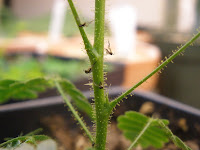 Surprisingly but culinary herbs and even medical herbs do get pests! While it is true that aromatic oils in many herbs keep the pest away, the tender herbs can become pest ridden.
Herbs grown indoors can be easily plagued by pests. If you have purchased herb plants, you may have been surprised to find Fungus Gnat larvae in the soil.
Who are they?
Fungus Gnats are the most frequent houseplant annoyance. To the naked eye, they look like those annoying little bugs flying around old bananas in the fruit bowl. It is likely that these buzzers actually are not Fruit Flies, but a relative insect known as the Fungus Gnat (Sciaridae).
While Fruit Flies hang out primarily in rotten foods, exposed fruit and in leaky fridges, you will find Fungus Gnats in wet plant soil and in household drains. They are attracted to CO2 (Carbon Dioxide) which explains why they are always right up in your face. They are also attracted to the light so you can often see FG around windows. The good news - Fungus gnats are harmless to humans and animals.
Adult Fungus Gnats live about a week and a half, and in that span can lay up to 200 eggs in moist soil. FG larvae lives in the soil of your plants and feed off decaying material... and occasionally your plant roots. They love moist, loaded with humus, compost-rich potting soils.
To see if you have larvae in your container herbs cut a small potato in a half and set on top of the soil. FG larvae are attracted to the row potato and will move to the surface to feed on it. In a couple days, check the slices. Advice: skip this step unless you have a really strong stomach.
How do I get rid of them!?
To make FG larvae go away pour a generous layer of sand on top of the soil and cover with cedar mulch. FGs are attracted to the top layer of wet soil. Because sand drains quickly, adults are confused by the new dry top layer of soil, even though your plant is good watered. The cedar mulch is ornamental and most insects hate the smell.
Transplant the offending plants can help, make sure you remove as much soil as possible. Potting mixes containing cocoa fibre, charcoal, and vermiculite blends are all helpful since they do not decay as quickly as peat blends do.
You can also purchase a Bt (Bacillus thuringiensis) product for flies and mosquitoes which works good for Fungus Gnat control. Make sure you get the correct type of Bt. Several are available in the market and each is working on a particular type. It is not effective for adult FG though.
How do I kill the adults now?
One way to keep ahead of these little critters is to put up sticky yellow traps to catch the adults. These traps are hung over plants and cause insects to stick to the card like a glue. This does not control larvae in the soil, but will prevent flying adults from laying more eggs. Another solution is electrocution-light. The FG will be attracted to the light and killed upon contact.
I trust you are well armed with information now and next time you see FG hovering around your plants you will know exactly what to do.
Hearts Delight
 Common name for Melissa officinalis, an aromatic, sweet herb of the Mint Family grown in the herb garden, and also used in liqueurs and historically, as a medicine. It has a mild lemon aroma that many will associate with furniture polish and some brands of dishwashing liquid. Melissa had been used for centuries. References are found in Roman writings. The Arabs relied on it to treat depression and anxiety, while the English included it in the furniture polish.
There are references to balm as an aid to longevity.
Lemon balm herb is a modest in appearance. With smallish oval leaves and discreet white flowers, it will grow two or three feet high.On a romantic note, it is fun to ponder the fact that it was symbolically used to transmit messages to lovers. Maybe next time you want to send a love note you should tuck it into a little pot of lemon balm.
Culture
The wonderful thing about this herb is that it's also very easy to grow.
Seed Spacing Push the seeds just below the surface at a depth not over two millimetres.
Seed Germination 12 to 21 days.
Plant Spacing Plants should be spaced between 12 and 15 inches (30 and 38 cm) apart.
Preferred pH Range Will grow in a relatively wide pH range, with a preferred range of 6.0 to 7.5.
Soil Requirements Fertile, well-drained clay or sandy loam.
Sun & Lighting Lemon balm prefers full sun, but is mildly shade-tolerant.
Water Requirements Requires consistently moist soil, do not let soil dry out in between watering.
Uses
Lemon balm is used for digestive problems, including upset stomach, bloating, intestinal gas (flatulence), vomiting, and colic; for pain, including menstrual cramps, headache and toothache; and for mental disorders, including hysteria and melancholia.
Many people believe lemon balm has calming effects so they take it for anxiety, sleep problems, and restlessness. Lemon balm is also used for Alzheimer's disease, attention deficit-hyperactivity disorder (ADHD), an autoimmune disease involving the thyroid (Graves' disease), swollen airways, rapid heartbeat due to nervousness, high blood pressure, sores, tumors, and insect bites. The crushed leaves, when rubbed on the skin, are used as a repellant for mosquitoes, some people apply lemon balm to their skin to treat cold sores (herpes labialis).
This common garden herb, lemon balm, can improve the memory and increase feelings of calmness.
Lemon balm is often used as a flavouring in ice cream and herbal teas, both hot and iced, often in combination with other herbs such as peppermint. It is also frequently paired with fruit dishes or candies.
Lemon balm also makes a fragrant and distinctive potpourri.
Related Articles:
Golden Inspiration - Herb for Garden and Kitchen
 Everyone has heard of “Pot Marigold” but just few people have grown them and even less have tasted them. If you enjoy the novelty of using edible flowers in your meals, you should consider growing Calendula because it is such a reliable bloomer. Calendula plants are easy to grow and are fairly simple to start from the seeds, making them perfect for beginner gardeners, and especially kids.
Although Calendula officinalis is commonly called "Pot Marigold", they are not in the same genus as the common marigold, Tagetes. Calendula is in the same family as daisies and chrysanthemums and the similarity can be seen in their daisy-like flowers. Pot Marigolds are considered companion plants that keep insects away. Many gardeners grow them among their vegetable crops.
Culture

- Type Annuals.
- Height 1 ft. to 3 ft.
- Maintenance Moderate.
- Pot Size 6" wide and 10" deep container.
- Seed Germination 8 to 12 days.
- Seed Spacing Sow in shallow drills 1/8” (0,6cm) deep or scatter on the surface and cover with a thin layer of soil.
- Plant Spacing Spaced 10 to 15 inches (about 20cm) apart.
- Soil Requirements Marigold plants like rich, well drained soil.
- Growing Mix Mix 1 part garden soil, 1 part coarse sand or perlite, 1 part moist peat or humus (leaf mold) and a light dusting of lime.
- Fertilize Feed every two weeks with a water soluble fertilizer diluted by half.
- Sun & Lighting Full sunlight coming from the South/West but will tolerate light shade. Calendula needs 5 hours or more of direct sunlight.
- Water Requirements Keep the soil evenly moist and use warm water.
 Calendula petals can also be used in fresh, dried, or powdered form to add color and to bring a bittersweet flavor to different foods, including some kinds of sea foods, to chowders and soups, to flavor stews and rice, to add flavor to roast meats and vegetable dishes, or to spice up chicken dishes.
The antiseptic and astringent effects of the calendula come in handy in the treatment of many conditions affecting the human body. A variety of ailments were traditionally treated using the calendula, which has one of the longest history as a herbal medical plant.
For a natural remedy for mild skin complaints such as acne, dry skin and even open wounds, add 2 handfuls of calendula flowers to 1tbsp lanolin, 5tbsp olive oil and 1tbsp beeswax and heat gently. Mix together; take off the heat and leave to set. The following morning re-heat the mixture, strain into a sterile jar and leave to harden.
Related Articles:
Vigorous plant with wonderful taste and lemony aroma
 There is common confusion about Bergamot. Bergamot fruit is a small sour kind of orange from Asia. The Chinese used Bergamot oil to flavour teas, which the English now call Earl Grey. When the English went to America they discovered a herb Monarda Bergamot which had an aroma similar to the Bergamot fruit and it became popular as a Bergamot tea.
Lemon Bergamot plant is also known as Lemon Bee Balm, Lemon Mint, Prairie Bergamot, Wild Bergamot, Lemon Horsemint, Lemon Horse Mint, Plains Horsemint, Lemon Bergamot, and Purple Horse Mint.
The strongly lemon-scented leaves are excellent in teas and as culinary herb, the flowers are edible. Its leaves are used fresh in salads and drinks and dried in herbal teas and potpourri blends. Lemon Bergamot has showy, scarlet flowers in large heads or whorls at the top of the stem.
Maintenance Easy.
Plant Spacing Place at least 12”-18” apart.
Fertilize Add a general purpose fertilizer once a month in the growing season.
Uses
Lemon Bergamot is a lovely citrus scented mint plant that can be used fresh or dried.
Lemon Bergamot (Monarda citriodora) tastes like a combination of lemon, pepper and thyme. It goes well in stuffing and sauces for various meats. Especially improves the flavor of pork dishes.
Five or six large fresh Bergamot leaves or 1 teaspoon dried leaves in 8 ounces boiling water make a refreshing and relaxing herbal tea. Medicinal Uses: Infuse leaves in oil as a hair conditioner. Apply to pimples, inhale for colds, or drink a little for nausea, flatulence and insomnia. Monarda Bergamot is said to relieve stress, anxiety, and depression, and contribute to a calm sleep. It is used in Europe to treat infections of the skin, respiratory tract, and urinary tract.
Like most Lemon-scented plants, Lemon Bergamot is a cleansing herb and has a reputation for clearing away bad luck in love and drawing in a new lover.
Related Articles:
Aromatic Festive Looking Mediterranean Herb
.jpg) Did you know that what catnip is to cats, anise is to dogs? For humans, Anise seed has a sweet, licorice flavor and is used to intensify sweetness in cakes, pastries, and cookies.
Did you know that what catnip is to cats, anise is to dogs? For humans, Anise seed has a sweet, licorice flavor and is used to intensify sweetness in cakes, pastries, and cookies.
Anise (Pimpinella anisum) also known as anís and aniseed is native to Southern Europe and the Mediterranean, where it is grown as a cash crop. You can also find Anise growing wild in the fields. It is related to caraway, parsley and dill. Although Anise name does not have a particular meaning, this plant is associated with health and is said to aid digestion. Anise is one of the oldest known herbs, having been mentioned in ancient Egyptian records. It has been cultivated for much of recorded history. Hippocrates recommended anise for coughs, and the Roman scholar Pliny used it as a breath freshener.
Anise herb grows about 18 inches tall and is branchy, erect, slender and cylindrical. Its stem leaves are more and more finely cut toward the upper part of the stem, near the top of which they resemble fennel leaves in their finely divided segments. The Anise plant has lacy leaves; the upper leaves are feathery, delicate, and pinnately divided. Leaflets may be toothed or toothless. When in bloom, Anise provides a profusion of flowers. The small flowers are white to yellowish white with petals that are held in compound umbels that give way to seeds containing tasty anise oil. The roots of anise are white, spindle-shaped and rather fibrous. The brown fruit (aniseed) is ovate, downy, flattened, and 1/8 inch long.
Most Anise is produced in Spain but additional sources include Turkey and Egypt. Spanish Anise is considered premium due to its better flavor, bolder appearance and higher volatile oil content.
Anise is an ideal herb to grow in a pot. This member of the parsley family should be sown where it is intended to grow as its long taproot does not take well to transplanting. Anise seeds will germinate more rapidly if sown near coriander.
Culture

- Type Annual.
- Height 18 to 24 inches.
- Maintenance Easy.
- Pot Size 10" diameter, 10" depth pots, or larger.
- Seed Germination 7 to 14 days.
- Seed Spacing Sow at 1/4 inch deep and cover lightly with soil.
- Plant Spacing Place anise plants at least 6 inches apart.
- Soil Requirements The soil should be deep, light, fairly rich and slightly acid.
- Growing Mix Mix 1 part garden soil, 1 part coarse sand or perlite, 1 part moist peat or humus (leaf mold) and a light dusting of lime.
- Fertilize Add a general purpose fertilizer once or twice a season.
- Sun & Lighting Full sun.
- Water Requirements Dry to Moist. Water the anise only a couple of times during the week; do not overwater.
Anise today is widely used for its aromatic, culinary and medicinal qualities. Anise seeds are used as a flavoring in breads and cakes, sweets and creams, in a marinade for fish and to flavour liquers and cordials. Leaves and flowers can also be used as a garnish. Use the leaves throughout the growing season to add to green salads.
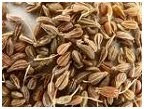 Anise may be used for its aromatic qualities in oil and potpourris. Crushed seeds are added to sachets. The leaves and seeds taste good with shellfish. The liquorice flavor complements eggs, fruit, cheese, pastries, cakes, and cookies. The leaves are dried for herbal teas. The seed is used whole or ground.
Try adding some anise seeds to cream cheese or cottage cheese. You can make your own anise seed oil that can be used much like an extract in baked goods. Simply combine about a tablespoon of anise seeds in a glass bottle with about a half of a cup of olive oil, and let it rest for a week or so before using.
Anise has been used for many years to disguise the unpleasant taste of medicine. A refreshing herbal tea can be made from the dried leaves and this is supposed to be an aid to digestion as chewing the seeds can cure hiccoughs. For treating indigestion pour one cup of boiling water onto ½ teaspoon of seeds and leave to stand for five minutes before drinking.
Cosmetically a good face pack can be made from ground anise seeds. This will fade freckles.
Anise herb is thought to ward off evil and sleeping on a pillow containing anis seeds will prevent nightmares. A sprig of anise hung on the bedpost will reputedly revive departed youth.
What is Aniseed?
Aniseed, sometimes spelled as anise, anis or anise seed, is considered a spice with a sweet licorice-like taste. It is known for its flavor, which resembles liquorice, fennel and tarragon. Both seed and leaves from the plant pimpinella anisum carry the licorice taste.
Related Articles:
The Queen of Herbs
 The word "Lavender" comes from the Latin "lavare" which means "to wash". According to folklore lavender is a favourite scent of the elves, which is why it is sometimes referred to as Elf Leaf.
 Lavender herb originally comes from Western Europe. A member of the Mint family, Lavender is the most popular of aromatic herbs. Since ancient Roman times and before, people have loved Lavender for its beautiful, fresh scent, attractive flowering habit, and its 'lucky' reputation.
Most lavender herbs have small, narrow leaves of a gray-green color. Some have wider, toothed leaves and some have feathery, fernlike leaves. The flowers of lavender arise on long stems and consist of whorls of tiny flowers. Flower colors range from deep purple to paler blues and shades of violet, pink and white. The flowers are very attractive to bees and butterflies.
Lavender herb is a hardy perennial that has many uses in crafts, aromatherapy, cooking and decorating. Lavender planted in the garden is a natural pest deterrent, discouraging fleas and flies.
Planting
Lavender is an easy herb to grow and is very rewarding too.
- Pot size at least 7.5" container.
- Seed Spacing Sow Lavender seeds quite shallowly, barely covering with the soil.
- Seed Germination 10 to 28 days.
- Plant Spacing Lavender plants should be spaced 18 to 24 inches (45 - 60cm) apart.
- Water Requirements Water on a regular schedule, do not overwater.
- Soil Requirements Light, well-drained, deep, not overly rich soil.
- Growing Mix Mix the potting compost with peat or coarse sand.
- Fertilizer Lavender is very sensitive to over fertilization. Use a small amount of complete fertilizer or dynamic lifter once a year
- Sun Requirements Lavender prefers full sun but can tolerate some shade. It needs 8 to 12 hours of sun a day.
Lavender is a very special herbal tisane which has calming effects that helps relieve stress, fatigue, headache and insomnia. Drinking a cup of Lavender tea before going to bed is known to promote restful sleep. Suffering from a hangover – drink lavender tea. Make an infusion with three lavender sprigs in a tea pot for the morning after. Lavender tea blends well with peppermint leaves.
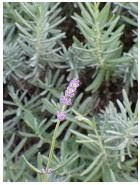
Lavender is a natural antiseptic cleanser. Lavender soaps are a natural way to clean and heal the skin. Dried flowers and seeds are used in herbal sleep pillows and baths for soothing and calming frayed nerves.
Lavender essential oil is used for a number of medical conditions: to soothe the skin, for digestion, for headaches and insomnia, for nervousness and anxiety, for depressive feelings, and for stress relief.
As a Magical herb lavender is used for peace and love.
Related Articles:
Fresh Lemon Grass Tea - Cancer Cells Killer
 Native of Sri Lanka and India, Lemon grass (Cymbopogon citratus), a tall tropical plant with a powerful lemon fragrance, is widely used as a cooking herb of Thailand, Vietnam and other Southeast Asian countries. Its bright lemony scent is used in drinks, curries and soups. It is delicious in tea with cloves. Lemon gass rich in vitamin A and is good for "those who wish to have bright eyes and a clear skin."
There are over 50 species in the genus. Lemon grass species are fast growing perennials that grow in dense clumps to 3 to 6 feet tall and 3 feet wide. They have long, light green leaves and inconspicuous flowers. The strap-like leaves are 1/2 to 1 inch wide, about 3 feet long, and have gracefully drooping tips. The leaves are bright yellow-green and release a lemon aroma when crushed.
Lemon grass is fast becoming a fashionable herb best known for putting the lemony zip in cuisine. But finding lemon grass can sometimes be challenging. If you are having a difficult time locating it at your local nursery or gardening center, then you can always check with Asian grocery stores. Thankfully, despite its exotic reputation, lemon grass is easy to grow and can be started from stalks purchased cheaply in the produce section of most large supermarkets or Asian food stores.
Planting
Pot Size 10 to 16 inches wide.
Seed Spacing Sprinkle lemon grass seeds on top of the soil, barely covering with compost.
Seed Germination 21 to 40 days. Need a warm area to germinate.
Plant Spacing Lemon Grass plants should be spaced about 3 feet apart.
Water Requirements Water regularly, keeping the soil moist like a damp sponge, but not soggy.
Soil Requirements Well-drained soil that is slightly acidic.
Growing Mix Mix of 1/3 compost, 1/3 topsoil, 1/6 vermiculite and 1/6 peat moss.
Fertilizing Use all-purpose fertilizer every two weeks during the growing season. Fertilizing is not necessary during the winter.
Sun Requirements Lemon grass likes full sun or light shade. Grown indoors needs at least 6 hours of sun daily.
You can also propagate lemongrass from stalks purchased at a store. Choose a healthy fresh plant with plump stalks. Cut off several inches from the top of the stalks. Peel off any outside layers that are dry or withered, especially near the base of the stalks. Fill a glass jar with water and place the stalks. Keep them with the bottoms in the water for several weeks. Roots should begin emerging from the base in 1 to 2 weeks.
Once the roots are between 1 and 2 inches long, transplant them into a container. The roots and crown (the base of the stalk) should to be covered by soil. Make sure your container has plenty of drainage holes to allow the water to drain from the plant.
Uses
Just as its name implies, lemon grass easily brews up into a delightful, lemony-flavored tea. To make tea, just trim the plant, rather than cutting it to the base as it done in cooking. Lemon grass is surprisingly strong so it doesn't take a large amount to make a pot of tea. Lemon grass herb is believed to be a mild sedative. Drink a big cup of strong lemon grass tea and you will be ready for a nap.

Slices of fresh stalks are added to soups, salads and seafood dishes. You can also use the tender, inner leaves and sauté stir fry, or use in sauces. The tough top part of the stalk can be bundled and added to soups or stocks, removing before serving.
Lemon grass is also widely used as medicinal herb. Apart from the herb’s aromatic, ornamental and culinary uses, lemongrass also provides a number of therapeutic benefits. Lemongrass leaves and the essential oils extracted from them are used to cure grouchy conditions, nervous disorders such as insomnia and depression, colds and weariness.
Last year researchers made a discovery that the lemon aroma in herbs like lemon grass kills cancer cells in vitro, while leaving healthy cells unharmed. A drink with as little as one gram of lemon grass contains enough citral to signal the cancer cells to commit suicide.
It is also an effective and non-toxic insect repellent.
But be careful, cats go wacky for lemongrass so keep its out of kitty's reach or grow a pot just for her.
Related Articles:
A mighty plant that’s highly prolific
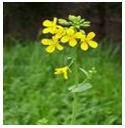 Mustard sprouts are a classic, quick to grow for a tasty salad with a spicy, peppery flavour. The name, "mustard", derives from the Latin word "mustum" which means "must".
Wild Mustard (B. juncea) is thought to be native to Western Asia and Europe, but is now grown in many parts of the world. Recorded evidence of the use of mustard can be found dating back 7000 years in India and it is also believed to have been widely used in Africa and China perhaps even earlier. Mustard is an ordinary-looking little seed with an impressive ability to grow into a mighty plant that’s highly prolific. Its reputation as both a seed with great promise and great piquancy is supported by numerous passages found everywhere from the Bible to Shakespeare.
Mustard green are a tradition dish in the southern US. Their popularity is starting to spread, however. The mustard plant's leaves are good sources of calcium, vitamin A and vitamin C, and they are great added to a salad or used in cooking.
Culture
Pot Size 6" wide and 10"deep container.
Seed Spacing Broadcast seeds over the soil surface and cover lightly with soil.
Seed Germination 8 to 14 days.
Plant Spacing 15” to 18”
Preferred pH Range Will grow in soil with pH of no less than 6.0.
Soil Requirements Well drained and rich fertile.
Growing Mix Use a mix of about two parts potting soil to one part coarse sand or perlite.
Fertilizer Feed with fish/seaweed liquid fertilizer every month. Less fertilizing is needed in the winter.
Sun & Lighting Grows best in full sun, but tolerate light shade.
Water Requirements Water on a regular schedule but keep soil moist
Uses
 Pick mustard leaves to use for sautéing or stewing. Add leaves to stir-fries and salads. Mustard Greens add a nice, sharp flavor contrast to mild, buttery lettuces and therefore are often one of the plants found in mesclun mixes.
As heat destroys much of the flavour of mustard, it's always best to add it late on in the cooking. Stew leaves with bacon or a ham hock, southern-style, or shred and sauté them with other greens to make a bed for grilled fish and meats. You can also add mustard greens to long-cooking soups and stews. Flowers can be used as an edible garnish.
Over the years, mustard been called an appetite stimulant, a digestive aid, and a decongestant in folk medicine. Because mustard increases blood circulation, it’s often used in plaster form to treat inflammation. Due to the presence of mucilages, mustard has laxative effects.
Related Articles:
Family-garden is garden of life
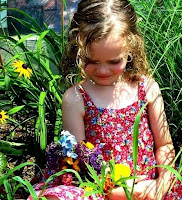 The need for the family garden is greater today than ever before. It seems that in the modern day rush of life that many have begun to feel that something is missing. The more we run, the deeper the aching grows. To spite the incredible benefits of all our time saving devices and programs, we find that we are busier than ever, and to spite long hours of focused work, we feel that we are contributing little that is of intrinsic value.
In many instances, our children are discontent and feel that something is owed them. They seek for pleasure through video games and for a sense of self-esteem through sports, academic pursuits or other interests. Still, it seems that there is an overall feeling that it isn't quite enough. Those who are motivated, seek for higher and higher levels of achievement until they finally arrive where we hoped they would all along, a good job with good benefits making a descent salary. And yet, when all is said and done, they find themselves in the same boat -- feeling that something is missing -- feeling that they are contributing little that is of intrinsic value.
Over the years, I have pondered over this dilemma as I have watched it play out in myself and those that I love. The question arises: With all of our time saving, value enhancing, pleasure providing, self-esteem building programs and technology, what could we be missing that would leave us so devoid of the feeling of intrinsic worth?
I do not pretend to have a blanket solution to this modern enigma but I will draw a comparison that I think will shed light on one aspect of it.
One hundred and fifty years ago, our great, great grandparents arose early in the morning to go out and put their hands in the earth. Their hard days work was in direct contact with the soil and the fruit of their labors was the basic building blocks of life. As children sat around the table and gazed on a home cooked meal, they saw the potatoes, carrots, yams and tomatoes that they had planted, carefully nourished and harvested. The wheat in the bread was from last years harvest and the meat was from the cow they had raised from the time it was a calf. Children felt needed because they were needed.
 Today, most of us run through our busy days with little to no contact with the soil that gives us life. In fact, we make sure to wash our hands with anti-bacterial soap just in case we might have come in contact with mother earth. We sit at our tables, assuming that we take the time to sit, and gaze on processed food that was grown by people we do not know. Once finished with our hurried meals, we rush off to slay our dragons -- to make and sell more things that people do not really need (at least in the intrinsic sense of the word) so that we can pay for our over-sized homes and all of the technology that keeps the whole thing going. But, not before we send our children off to school with words of encouragement that if they work hard and learn all they can, some day they will be able to be just like us.
Put in this way, it seems a little cynical but I am not a cynic. I believe that we can change our direction in a way that will begin to fill in the gaps that our modern society leaves out. We need to put our hands in the soil and our children need to feel the joy of contributing something of intrinsic worth to their families. I know of no better way to do this than the family garden. If you speak to people who garden, they will tell you that it is healing. By participating in the process of growing our own food, we may find that we feed more than our bodies but our whole souls too.
Article Source: http://EzineArticles.com/?expert=Jonathan_McCormick
Discover The Secret Healing Properties Of Ayurvedic Herbs
 Although today there has been a boom in herbs and especially using Ayurvedic Herbs in Ayurvedic Medicine for treating illnesses is not new you will probably know that the tradition of using holistic methods has been used for centuries.
Many of the herbs and spices that are used in Ayurvedic Medicine are ones that we normally have in our kitchen cabinets. Although these herbs do not originate here they have in fact traveled to us from India. Some of the more popular Ayurvedic Herbs which are used today include Cinnamon, ginger, Gotu Kola, Boswellia, Gymnema and East Indian Globe Thistle all of which can be easily found at your local grocery store or herbal medicine store today.
Although Ginger is a common ingredient in many dishes that we eat it also has many medicinal uses as well. It is great as a digestive aid as well being great at helping treat colic, gas and to ease heartburn. However in India where it is known as Sunthi or Adrak is has been used as a tonic to enhance a person’s vigor as well as an antidepressant.
Gotu Kola is one of the most common herbs found in India and is great for healing wounds and dealing with skin disorders. Plus it is great for dealing with insomnia as well as being an aid to helping lower blood pressure.
Gymnema Sylvestre (Gumar) is a herb which you will probably be hearing a lot more about as it can help to block sugar. Some people think that this may be able to help people to lose weight as it reduces their cravings for sweets and when used by diabetics it has shown that their blood sugar levels are decreased.
Many people use Cinnamon in baking but are also used for a hundreds of years in Ayurvedic Herbs as a stimulant. It can also help to relieve the pain caused by toothache as well as being a great astringent and may help people who have rheumatism. The cinnamon essential oil who as great anti fungal and antibacterial properties.
Boswellia (Frankincense) can be used as an anti-inflammatory and is said to be a great expectorant which helps to boost the immune system.
Whilst East India Globe Thistle may not be a herb you have heard a lot about but have been used for centuries as an energizer and it is also said to help reduce blood sugar levels.
As you can see there are many Ayurvedic Herbs which have been used for medicinal purposes for many centuries and unfortunately in the society we live in today these herbs are only regarded simply as spices. It is sad that over the centuries we have lost our knowledge with regard to the effects that such herbs can have on our body and how they can be used to treat ailments.
Lee Dobbins writes for http://www.herbs-home-remedies.com where you can learn more about herbal remedies and Ayurvedic herbs.
Article Source: http://EzineArticles.com/?expert=Lee_Dobbins
;;
Subscribe to:
Posts (Atom)