About Me

- Zoy
- Aurora, Canada
- Holistic lover, enjoy biodynamic gardening, natural life style and herbal medicine.

Subscribe To



 Posts
All Comments
Posts
All Comments


Fresh and Tasty Digestion Helper
Basil is truly an incredible herb. It is enjoyed for its rich and spicy, mildly peppery flavor with a trace of mint and clove. Basil is an annual herb belonging to the mint family. Ocimum basilicum or Sweet Basil is the most commonly known and grown. Ocimum is from a Greek verb that means "to be fragrant." Flowers on the ends of branches are either white or lavender. Basil is native to India and Asia and having been cultivated there for more than 5,000 years.
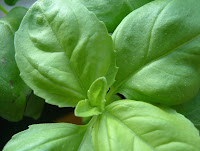
With so many attributes it isn't any wonder that basil has become increasingly popular over the years. Being a member of the mint family, it is not surprising to see it recommended for digestive complaints. So instead of an after dinner mint, try sipping an after dinner cup of basil herbal tea to aid digestion and dispel flatulence.
Herbalists have recommended basil for years for stomach cramps, vomiting and constipation. Basil has been described as having a slight sedative action, which would explain why it is sometimes recommended for headaches and anxiety.
Herbalists have recommended basil for years for stomach cramps, vomiting and constipation. Basil has been described as having a slight sedative action, which would explain why it is sometimes recommended for headaches and anxiety.
Sun & Lighting Grow best in a sunny location.
Uses
 The best flavour is found in fresh leaves, but frozen and dried leaves are worth the effort also. The leaves can be used cooked or raw. Crush, chip or mince the leaves and add to recipes, or add whole leaves to salads. Sprigs of basil make a wonderfully aromatic garnish. The flowers are beautiful, edible, and also make a unique garnish.
Basil is traditional in Italian, Mediterranean and Thai cookery. It is superb with veal, lamb, fish, poultry, white beans, pasta, rice, tomatoes, cheese and eggs. It blends well with garlic, thyme and lemon. Basil adds zip to mild vegetables like zucchini, summer squash, eggplant, potatoes, cabbage, carrots, cauliflower, parsnips, spinach and to the soups, stews and sauces in which these vegetables appear, and to add to its versatility, basil is also one of the ingredients in the liqueur chartreuse.
Related Articles:
A mighty plant that’s highly prolific
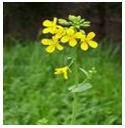 Mustard sprouts are a classic, quick to grow for a tasty salad with a spicy, peppery flavour. The name, "mustard", derives from the Latin word "mustum" which means "must".
Wild Mustard (B. juncea) is thought to be native to Western Asia and Europe, but is now grown in many parts of the world. Recorded evidence of the use of mustard can be found dating back 7000 years in India and it is also believed to have been widely used in Africa and China perhaps even earlier. Mustard is an ordinary-looking little seed with an impressive ability to grow into a mighty plant that’s highly prolific. Its reputation as both a seed with great promise and great piquancy is supported by numerous passages found everywhere from the Bible to Shakespeare.
Mustard green are a tradition dish in the southern US. Their popularity is starting to spread, however. The mustard plant's leaves are good sources of calcium, vitamin A and vitamin C, and they are great added to a salad or used in cooking.
Culture
Pot Size 6" wide and 10"deep container.
Seed Spacing Broadcast seeds over the soil surface and cover lightly with soil.
Seed Germination 8 to 14 days.
Plant Spacing 15” to 18”
Preferred pH Range Will grow in soil with pH of no less than 6.0.
Soil Requirements Well drained and rich fertile.
Growing Mix Use a mix of about two parts potting soil to one part coarse sand or perlite.
Fertilizer Feed with fish/seaweed liquid fertilizer every month. Less fertilizing is needed in the winter.
Sun & Lighting Grows best in full sun, but tolerate light shade.
Water Requirements Water on a regular schedule but keep soil moist
Uses
 Pick mustard leaves to use for sautéing or stewing. Add leaves to stir-fries and salads. Mustard Greens add a nice, sharp flavor contrast to mild, buttery lettuces and therefore are often one of the plants found in mesclun mixes.
As heat destroys much of the flavour of mustard, it's always best to add it late on in the cooking. Stew leaves with bacon or a ham hock, southern-style, or shred and sauté them with other greens to make a bed for grilled fish and meats. You can also add mustard greens to long-cooking soups and stews. Flowers can be used as an edible garnish.
Over the years, mustard been called an appetite stimulant, a digestive aid, and a decongestant in folk medicine. Because mustard increases blood circulation, it’s often used in plaster form to treat inflammation. Due to the presence of mucilages, mustard has laxative effects.
Related Articles:
Takes just a little space but give so much pleasure!
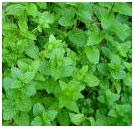 Peppermint, M. Piperita, is a wandering, invasive herb with a deep purple, square stem and deep green leaves. Peppermint has been used for centuries for it's culinary, medicinal, and aromatic properties.
Culture
Pot Size 6 to 8 inches container.
Seed Spacing Sow seeds 2" apart approximately 1/2" to 1/8" deeps.
Growing Mix Mix a little sand in with a good food-friendly potting soil.
Fertilizer Fertilize once a month with a liquid organic fertilizer.
Uses
 There are many ways to use the Peppermint in a variety of culinary recipes. One is to float some fresh Peppermint leaves in chilled summer drinks or add the herb as an ingredient in different fruit punches. The Peppermint must always be added as crushed leaves before use to bring out the optimum flavor in the dishes, unless of course, you are making use of the herb as a garnish for various salads and greens.
The classic application for mint of course is for roast lamb. However, the herb goes equally well with all meats including chicken and fish and especially with the hearty taste of wild meats such as venison, particularly if served with a berry sauce. Most vegetables also will be enhanced with the addition of mint, notably new potatoes, peas and carrots.
And you definitely have heard about peppermint oil. Peppermint oil like other herbs and spices has great medicinal properties. It has been used for years to clam digestion as it is an excellent digestive aid. Just a few drops in a glass of water make it a refreshing drink that has not only a good taste but also improves digestion. Peppermint oil fights against upset stomachs, stops the growth of unnecessary bacteria, calms and relaxes the muscles. Peppermint oil abandons gas, bloating and abdominal cramps and increases the formation of digestive fluids.
Related Articles:
A Tasty Herb With Many Uses
 Garlic Chives, Allium tuberosum , are also known as Chinese Chives or Chinese Leek. A relatively new vegetable in the English-speaking world but well-known in Asian cuisine, the flavor of garlic chives is more like garlic than chives, though much milder. Garlic chives are a slightly different version of the onion or common Chives with flat leaves instead of tube shaped and a more pronounced garlic scent. Pink flowers appear on the common Chives and the Garlic chives have white flowers. They are also edible and can be used to garnish salads.
Garlic chives spreads by means of rhizomes (underground stems), which are rather similar to the rhizomes of the common bearded iris. Roots emerge from the underside of these rhizomes.
Culture
Pot Size Use a container 6-8 inches wide and at least 6-12 inches deep.
Plant Spacing Garlic Chives should be spaced 3 to 5 inches (7- 12cm) apart.
Seed Spacing 1/4", on a depth 1/2".
Seed Germination 7 to 12 days.
Soil Requirements Well drained and moderately fertile.
Growing Mix Mix two parts sterilized potting soil and one part coarse sand or perlite
Fertilizer Liquid fertilizer once every four to six weeks.
Growing Mix Mix two parts sterilized potting soil and one part coarse sand or perlite
Fertilizer Liquid fertilizer once every four to six weeks.
Sun & Lighting Grow best in full sun, but tolerate light shade. Prefer about 6 hours of sun a day.
Water Requirements Water on a regular schedule but keep soil moist
Uses
 The combination of a chive-like appearance and strong flavor makes Garlic chives a popular seasoning. Use tender, mild chives leaves to season cream cheese and butter, and in salads, soups, vegetables, sauces, egg dishes, meat and poultry, and seafood -especially salmon, caviar, and oysters.
Garnish salads, entrees, and hot and cold soups with a sprinkling of freshly snipped chives. When cooking with chives, add it to your dish during the last 5 to 10 minutes, as prolonged heat destroys the flavor.
Add leaves to vinegar and extra-virgin olive oil.
Try the flowers in egg, cheese, and fish dishes, or use as a garnish. As the pungent flavor of an entire flower head can be overwhelming, break it into individual florets, and add discretely until you find your flavor tolerance level.
Like other members of the garlic and onion family, garlic chives contain a sulphur-rich mustard oil that aids digestion and helps promote the flow of blood. In folk medicine chives were used to treat intestinal parasites, enhance the immune system, and treat anemia.
In Chinese herbal medicine, garlic chives has long been used to treat fatigue, help control excessive bleeding, and as an antidote for ingested poisons. The leaves and bulbs are applied to insect bites.
Pizza Herb
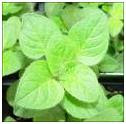 Also known as Pot Marjoram, Origanum vulgare is a perennial herb and a native of the Mediterranean region. Oregano plant derives its name from two Greek words meaning "the joy of the mountain." It is a hardy member of the mint family that has been used for flavouring fish, meat and sauces since ancient times. It was long referred to as wild marjoram.
Also known as Pot Marjoram, Origanum vulgare is a perennial herb and a native of the Mediterranean region. Oregano plant derives its name from two Greek words meaning "the joy of the mountain." It is a hardy member of the mint family that has been used for flavouring fish, meat and sauces since ancient times. It was long referred to as wild marjoram.
Oregano plant is often referred to as the "pizza herb." It's a natural for all types of tomato sauces but also goes well with egg and cheese dishes. Oregano herb and basil combine to create a special flavour common in the Italian cooking we know so well.
Possessing medicinal properties dating back centuries, modern herbalists promote many potential health benefits and home-grown remedies derived from this most versatile herb.Culture
Pot Size 6" wide and 10" deep container.
Growing Mix Mix two parts potting soil and one part coarse sand or perlite. Add 1 teaspoon of ground limestone per pot.
Fertilizer Oregano plant shouldn't be fertilized. Fertilizer weakens the flavor of the leaves.
Uses
 Oregano herb has a strong flavour, but it doesn't hold up well to prolonged cooking, especially when used fresh. Harvest fresh leaves right before use. Pick several kinds of cooking herbs and make a culinary bouquet. Aromatic sprigs of Rosemary, Oregano, Savory, and Basil waiting close by the stove will make both the creative and digestive juices flow. Oregano chopped and mixed with garlic, salt, and olive oil makes a great marinade for pork, beef, or roasted potatoes. Or use fresh leaves as a topping for homemade pizza (this is the way Oregano was first used for pizza, not as ingredient in the sauce).
Oregano is high in antioxidant activity. It is strongly sedative and should not be taken in large doses, though mild teas have a soothing effect and aid restful sleep. In the Philippines folk medicine, Oregano (Coleus aromaticus) is not commonly used for cooking but is rather considered as a primarily medicinal plant, useful for relieving children's coughs. Hippocrates, the father of medicine, used oregano as an antiseptic as well as a cure for stomach and respiratory ailments.
And who have not heard of Oregano oil? Oregano essential oil is effective in treating colds and flu, hay fever, sinusitis and allergies. The benefits of oregano oil don't stop there. Fungus and yeast infections as well as viral infections have all been cured, just by introducing the oregano oil through aromatherapy.
;;
Subscribe to:
Posts (Atom)