About Me

- Zoy
- Aurora, Canada
- Holistic lover, enjoy biodynamic gardening, natural life style and herbal medicine.

Subscribe To



 Posts
All Comments
Posts
All Comments


The Queen of Herbs
 The word "Lavender" comes from the Latin "lavare" which means "to wash". According to folklore lavender is a favourite scent of the elves, which is why it is sometimes referred to as Elf Leaf.
 Lavender herb originally comes from Western Europe. A member of the Mint family, Lavender is the most popular of aromatic herbs. Since ancient Roman times and before, people have loved Lavender for its beautiful, fresh scent, attractive flowering habit, and its 'lucky' reputation.
Most lavender herbs have small, narrow leaves of a gray-green color. Some have wider, toothed leaves and some have feathery, fernlike leaves. The flowers of lavender arise on long stems and consist of whorls of tiny flowers. Flower colors range from deep purple to paler blues and shades of violet, pink and white. The flowers are very attractive to bees and butterflies.
Lavender herb is a hardy perennial that has many uses in crafts, aromatherapy, cooking and decorating. Lavender planted in the garden is a natural pest deterrent, discouraging fleas and flies.
Planting
Lavender is an easy herb to grow and is very rewarding too.
- Pot size at least 7.5" container.
- Seed Spacing Sow Lavender seeds quite shallowly, barely covering with the soil.
- Seed Germination 10 to 28 days.
- Plant Spacing Lavender plants should be spaced 18 to 24 inches (45 - 60cm) apart.
- Water Requirements Water on a regular schedule, do not overwater.
- Soil Requirements Light, well-drained, deep, not overly rich soil.
- Growing Mix Mix the potting compost with peat or coarse sand.
- Fertilizer Lavender is very sensitive to over fertilization. Use a small amount of complete fertilizer or dynamic lifter once a year
- Sun Requirements Lavender prefers full sun but can tolerate some shade. It needs 8 to 12 hours of sun a day.
Lavender is a very special herbal tisane which has calming effects that helps relieve stress, fatigue, headache and insomnia. Drinking a cup of Lavender tea before going to bed is known to promote restful sleep. Suffering from a hangover – drink lavender tea. Make an infusion with three lavender sprigs in a tea pot for the morning after. Lavender tea blends well with peppermint leaves.
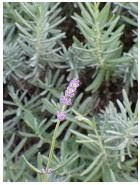
Lavender is a natural antiseptic cleanser. Lavender soaps are a natural way to clean and heal the skin. Dried flowers and seeds are used in herbal sleep pillows and baths for soothing and calming frayed nerves.
Lavender essential oil is used for a number of medical conditions: to soothe the skin, for digestion, for headaches and insomnia, for nervousness and anxiety, for depressive feelings, and for stress relief.
As a Magical herb lavender is used for peace and love.
Related Articles:
Fresh Lemon Grass Tea - Cancer Cells Killer
 Native of Sri Lanka and India, Lemon grass (Cymbopogon citratus), a tall tropical plant with a powerful lemon fragrance, is widely used as a cooking herb of Thailand, Vietnam and other Southeast Asian countries. Its bright lemony scent is used in drinks, curries and soups. It is delicious in tea with cloves. Lemon gass rich in vitamin A and is good for "those who wish to have bright eyes and a clear skin."
There are over 50 species in the genus. Lemon grass species are fast growing perennials that grow in dense clumps to 3 to 6 feet tall and 3 feet wide. They have long, light green leaves and inconspicuous flowers. The strap-like leaves are 1/2 to 1 inch wide, about 3 feet long, and have gracefully drooping tips. The leaves are bright yellow-green and release a lemon aroma when crushed.
Lemon grass is fast becoming a fashionable herb best known for putting the lemony zip in cuisine. But finding lemon grass can sometimes be challenging. If you are having a difficult time locating it at your local nursery or gardening center, then you can always check with Asian grocery stores. Thankfully, despite its exotic reputation, lemon grass is easy to grow and can be started from stalks purchased cheaply in the produce section of most large supermarkets or Asian food stores.
Planting
Pot Size 10 to 16 inches wide.
Seed Spacing Sprinkle lemon grass seeds on top of the soil, barely covering with compost.
Seed Germination 21 to 40 days. Need a warm area to germinate.
Plant Spacing Lemon Grass plants should be spaced about 3 feet apart.
Water Requirements Water regularly, keeping the soil moist like a damp sponge, but not soggy.
Soil Requirements Well-drained soil that is slightly acidic.
Growing Mix Mix of 1/3 compost, 1/3 topsoil, 1/6 vermiculite and 1/6 peat moss.
Fertilizing Use all-purpose fertilizer every two weeks during the growing season. Fertilizing is not necessary during the winter.
Sun Requirements Lemon grass likes full sun or light shade. Grown indoors needs at least 6 hours of sun daily.
You can also propagate lemongrass from stalks purchased at a store. Choose a healthy fresh plant with plump stalks. Cut off several inches from the top of the stalks. Peel off any outside layers that are dry or withered, especially near the base of the stalks. Fill a glass jar with water and place the stalks. Keep them with the bottoms in the water for several weeks. Roots should begin emerging from the base in 1 to 2 weeks.
Once the roots are between 1 and 2 inches long, transplant them into a container. The roots and crown (the base of the stalk) should to be covered by soil. Make sure your container has plenty of drainage holes to allow the water to drain from the plant.
Uses
Just as its name implies, lemon grass easily brews up into a delightful, lemony-flavored tea. To make tea, just trim the plant, rather than cutting it to the base as it done in cooking. Lemon grass is surprisingly strong so it doesn't take a large amount to make a pot of tea. Lemon grass herb is believed to be a mild sedative. Drink a big cup of strong lemon grass tea and you will be ready for a nap.

Slices of fresh stalks are added to soups, salads and seafood dishes. You can also use the tender, inner leaves and sauté stir fry, or use in sauces. The tough top part of the stalk can be bundled and added to soups or stocks, removing before serving.
Lemon grass is also widely used as medicinal herb. Apart from the herb’s aromatic, ornamental and culinary uses, lemongrass also provides a number of therapeutic benefits. Lemongrass leaves and the essential oils extracted from them are used to cure grouchy conditions, nervous disorders such as insomnia and depression, colds and weariness.
Last year researchers made a discovery that the lemon aroma in herbs like lemon grass kills cancer cells in vitro, while leaving healthy cells unharmed. A drink with as little as one gram of lemon grass contains enough citral to signal the cancer cells to commit suicide.
It is also an effective and non-toxic insect repellent.
But be careful, cats go wacky for lemongrass so keep its out of kitty's reach or grow a pot just for her.
Related Articles:
;;
Subscribe to:
Posts (Atom)