About Me

- Zoy
- Aurora, Canada
- Holistic lover, enjoy biodynamic gardening, natural life style and herbal medicine.

Subscribe To



 Posts
All Comments
Posts
All Comments


Little hint of Chilli and everything tastes just so much better
 Long red Cayenne peppers, Capsicum frutescens, are favorite for many home gardeners. Cayenne peppers and the name Cayenne comes from the city of Cayenne in French Guiana. These chili peppers are also called African Pepper, Devil's Tongue, Red Bird Pepper, and Hot Flame peppers. Not only are these hearty vegetables easy to grow and delicious to eat, but they also contain more vitamin C than oranges!
 Cayenne is a shrubby plant about 2 to 4 feet tall that is native to South and Central America. It is grown worldwide for it's culinary and medicinal properties. The plants have smooth, somewhat shiny, green leaves, and flowers that produce elongated oval-shaped pods (peppers) that contain dozens of tiny, pungent tasting seeds. The peppers and seeds are highly aromatic and have a hot, spicy flavor.
Everybody needs to grow chillis for cooking. Even if you don't like hot food, just a little hint of chilli to warm it up stimulates the taste buds and everything else tastes just so much better.
Culture
Pot Size 6-inch or larger size container.
Seed Germination 16 to 20 days. The seed needs at least 20°C to germinate.
Seed Spacing Push the seeds just below the surface at a depth not over two millimetres.
Plant Spacing 18 to 24 inches apart
Soil Requirements Will grow in any reasonably fertile soil and don't need any special treatment. But they grow better in rich soils and produce more fruit.
Growing Mix Mix together very well 1/3 Potting Soil, 1/3 Sand and 1/3 Garden soil (needs to be well tilled).
Fertilizer Fertilize lightly about once a month with Fish emulsion.
Sun & Lighting Full sun. Cayenne peppers need to receive at least 6 hours of sunlight per day.
Water Requirements Keep the plant well watered but do not overwater.
Uses
The benefits of Cayenne Pepper have been well known for thousands of years, but it hasn't been until recently that the Western world has redeemed this spicy vegetable as more than just a tongue twister. Many herbalists believe that the Cayenne Pepper is the most useful of all medicinal herbs. Not only is the Pepper naturally high in Vitamins A, C, and the B complexes, but its is also very rich in organic calcium and potassium. As an added benefit, Cayenne also acts as a catalyst when combined with other herbs, increasing their effectiveness and healing properties.
Cayenne peppers contain capsaisin, a substance that many believe offer health benefits. Despite its 'burning' reputation, it has a soothing effect on the digestive tract and can aid in the treatment of other conditions including migraines, toothaches, fevers, congestion, sprains and muscle pain. Cayenne pepper delivers healing blood (the river of life) into sick or dying organs better than any other herb or medicine. Cayenne can also be applied topically to improve blood flow.
Related Articles:
Is it really a wild weed?
 Milk Thistle, Silybum Adans, belongs to the sunflower family, native to southern Europe, North Africa and Asia Minor. Growing as high as 5 feet, Milk Thistle has large thorny leaves with striking light-green and white markings and bright pink flowers. The name "milk thistle" derives from two features of the leaves: they are mottled with splashes of white and they contain a milky sap.
 A relative of the artichoke, the Milk Thistle herb may be eaten. The unscented seeds taste slightly bitter and should be ground. Milk Thistle is extremely hardy and is often considered to be a weed plant. However, the seeds and flowers are used extensively in herbal medicine.
The ancient legend says that it was Virgin Mary’s milk that dropped onto the leaves and left white traces. That is why people believe that this herb has lactation improving abilities, therefore, is good for use by nursing mothers.
Nowadays the plant becomes more familiar to the American consumers, too, gaining their confidence and trust in its power and health benefits. Since Milk thistle is easy to grow, it is already cultivated in many states throughout the country.
Culture
The wonderful thing about this herb is that it's also very easy to grow.
Pot Size 8" - 10" diameter, 10" - 12" depth container.
Seed spacing Push the seeds just below the surface at a depth of about 1/4".
Seed Germination 10 to 20 days.
Plant Spacing 16" apart.
Soil Requirements Generally tolerate a wide range of soil types, the ideal soil is midway between sand and loam.
Growing Mix Use very sandy soil mix.
Fertilizer Add a few drops of liquid organic fertilizer to the water every two or three weeks.
Growing Mix Use very sandy soil mix.
Fertilizer Add a few drops of liquid organic fertilizer to the water every two or three weeks.
Sun & Lighting It can grow in partial shade, but will need at least 7 to 8 hours of direct sunlight each day to go to seed.
Water Requirements Average water needs, can tolerate both wet and dry soil.
Uses
At one time or another, virtually all parts of the plant have been used as both cooking herb and medicine herb with virtually no reports of toxicity, aside from a mild laxative effect in some patients. The whole plant is astringent, bitter, cholagogue, diaphoretic, diuretic, emetic, emmenagogue, hepatic, stimulant, stomachic and tonic. Milk Thistle is used to treat inflammatory liver ailments, especially chronic illnesses, such as hepatitis and cirrhosis, gallbladder ailments and related digestive symptoms, varicose and spider veins problems in the legs.
It is possible to use leaves raw or cooked. The very sharp leaf-spines must be removed first, which is quite a fiddly operation. The leaves are quite thick and have a mild flavour when young, at this time they are quite an acceptable ingredient of mixed salads, though they can become bitter in hot dry weather. When cooked they make an acceptable spinach substitute. Flower buds can be cooked. A globe artichoke substitute, they are used before the flowers open. The flavour is mild and acceptable, but the buds are quite small and even more fiddly to use than globe artichokes.
Related Articles:
Related Articles:
Immune System Booster
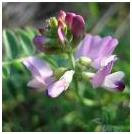 Astragalus is a perennial plant from the pea family that has been used in Chinese medicine for years. Other popular names for the Astragalus plant are milk vetch or huang-qi. As an adaptogen, the astragalus herb is known to boost the immune system and is used for many bodily ailments. Chinese Milk Vetch, Astragalus membranaceus, is native to China. In the past decade, it has become a popular medicinal plant in North America and has recently been planted in Saskatchewan.
Culture
Pot Size 6" wide and 10" deep container.
Seed Germination 16 to 20 days. Seeds may be slow to germinate.
Growing Mix Mix two parts organic potting soil and one part coarse sand or perlite.
Fertilize All-purpose organic fertilizer. Use only a very mild fertilizer and apply it at half the suggested application rate.
Sun & Lighting Full sun to Part shade.Astragalus requires at least 6 hours of direct sunlight a day but eight hours a day is best.
Water Requirements Average water needs; Water regularly; do not overwater.
Uses
Astragalus Root is an energy tonic is a mild stimulant that combats fatigue and prolonged stress. It is used to increase metabolism, stamina, strength and vitality. Taken as a tonic, astragalus is believed to build stamina and vitality. Astragalus plant has a reputation for improving overall health by helping the body to fight off viral and bacterial infections responsible for causing colds, the flu, bronchitis, and sinus infections. As an antioxidant, it helps to counteract cell damage caused by unstable oxygen molecules called free radicals.
Sometimes it is used in cooking to fortify soup stock.
Related Articles:
;;
Subscribe to:
Posts (Atom)