About Me

- Zoy
- Aurora, Canada
- Holistic lover, enjoy biodynamic gardening, natural life style and herbal medicine.

Subscribe To



 Posts
All Comments
Posts
All Comments


Healthy Recipes from Folk Medicine
 Folk medicine has been a part of every culture throughout our history; herbal remedies have been with humanity for thousands of years. Many of these healthy recipes from folk medicine tried and tested and found to be effective and much safer and cheaper than artificial drugs and supplements.
The origins of folk medicine, also known as alternative or holistic medicine, can be traced back thousands of years to the very roots of medicine. The roots of alternative medicine deal with the symptoms of the "whole" person, not merely the physical signs of illness. This is radically different from traditional medicine today.
Eventually, folk medicine evolved into the traditional medicine we are familiar with in today's world. Despite the dominance of traditional medicine, there is still a place for folk remedies. It is used by many people around the world through the massage therapy, acupuncture, aromatherapy, herbal remedies, meditation, and many other forms of alternative treatments. Many physicians now support many of these treatments, making them less alternative.
You will find below some popular folk medicine healthy recipes that have been used in my family for generations. Hope you will find them useful in everyday practise, those home remedies is easy and proven to work.
Best Cough Medicine - Folk Remedies
Sweet Milk
Purchase any kind of fig and milk from your local produce market. Good figs will be soft and smell sweet. Milk has to be fresh and not fat.
 For one portion you will need:
5 dried figs
Wash figs and put them into a small pot, pour in a cup of milk. On medium heat, bring milk to a boil and cook down for 15 minutes, cover the pot with a lid, let it draw for about 30 min or until cool down. Strain the figs from the milk.
Take this delicious, sweet milk three times per day. It will reduce cough symptoms and relieve a sore throat.
Figs are actually highly alkaline and contain a powerful healing agent. Figs soothe mucous membranes, particularly in the respiratory system. The fig fruit contains a fairly potent bactericide; it reduces body heat, and helps to ease inflammation. Figs can soothe respiratory ailments by acting as an anti-inflammatory agent.
(Just for adults!)
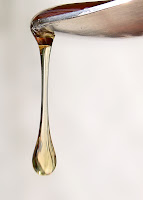 You will need:
1 part Cognac or Brandy
1 part unpasteurised honey
1 part fresh lemon juice
1 small glass bottle
Squeeze lemon into a glass bowl (don`t use plastic) add cognac or brandy and honey, mix it all together, strain the mixture into a glass bottle, close the bottle and shake it well. Take a small sip every 30-40 minutes. But be careful, do not over do it – as mixture contains cognac which can make you drunk.
The cheapest one.
You will need:
To cook a diner!
 Make a mashed potato for diner. While mashing (do not use mixer, do it manually) breathe in the hot steam. It will soothe mucous membranes, warm the respiratory tract and provide cough relief.
Mashed potato recipe:
1. Peel potatoes and cut into large chunks. Cook in a large saucepan of boiling salted water for about 20 minutes. Check the potatoes with fork; they should be very tender but not falling apart.
2. Drain potatoes well. Using a potato masher, roughly mash potatoes.
Home Cure - Herbal Blend
You will need:
 2 parts Sage
2 parts Chamomile
1 part Marjoram
1 part Thyme
1 part Lemon Balm
I prefer to use the fresh herbs, but dried will do too. Sage, Marjoram, and Thyme can help clear the lungs and they all have antimicrobial properties. Lemon balm is antiviral and will help relax and fall asleep; chamomile will calm a spasmodic cough while helping to have a sound sleep. Make a tea blend of these herbs and drink 3-5 times a day before meal.
 Aromatherapy
You will need:
Eucalyptus essential oil
Peppermint essential oil
You can add a few drops of the oils of eucalyptus or peppermint herbs to steaming and boiling water, inhale steam slowly to help open clogged sinuses, and clear out the respiratory passages, this inhalation will also minimize bronchial spasms and painful contractions that can happen during coughing. And the smell itself is just great!
Pizza Herb
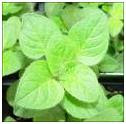 Also known as Pot Marjoram, Origanum vulgare is a perennial herb and a native of the Mediterranean region. Oregano plant derives its name from two Greek words meaning "the joy of the mountain." It is a hardy member of the mint family that has been used for flavouring fish, meat and sauces since ancient times. It was long referred to as wild marjoram.
Also known as Pot Marjoram, Origanum vulgare is a perennial herb and a native of the Mediterranean region. Oregano plant derives its name from two Greek words meaning "the joy of the mountain." It is a hardy member of the mint family that has been used for flavouring fish, meat and sauces since ancient times. It was long referred to as wild marjoram.
Oregano plant is often referred to as the "pizza herb." It's a natural for all types of tomato sauces but also goes well with egg and cheese dishes. Oregano herb and basil combine to create a special flavour common in the Italian cooking we know so well.
Possessing medicinal properties dating back centuries, modern herbalists promote many potential health benefits and home-grown remedies derived from this most versatile herb.Culture
Pot Size 6" wide and 10" deep container.
Growing Mix Mix two parts potting soil and one part coarse sand or perlite. Add 1 teaspoon of ground limestone per pot.
Fertilizer Oregano plant shouldn't be fertilized. Fertilizer weakens the flavor of the leaves.
Uses
 Oregano herb has a strong flavour, but it doesn't hold up well to prolonged cooking, especially when used fresh. Harvest fresh leaves right before use. Pick several kinds of cooking herbs and make a culinary bouquet. Aromatic sprigs of Rosemary, Oregano, Savory, and Basil waiting close by the stove will make both the creative and digestive juices flow. Oregano chopped and mixed with garlic, salt, and olive oil makes a great marinade for pork, beef, or roasted potatoes. Or use fresh leaves as a topping for homemade pizza (this is the way Oregano was first used for pizza, not as ingredient in the sauce).
Oregano is high in antioxidant activity. It is strongly sedative and should not be taken in large doses, though mild teas have a soothing effect and aid restful sleep. In the Philippines folk medicine, Oregano (Coleus aromaticus) is not commonly used for cooking but is rather considered as a primarily medicinal plant, useful for relieving children's coughs. Hippocrates, the father of medicine, used oregano as an antiseptic as well as a cure for stomach and respiratory ailments.
And who have not heard of Oregano oil? Oregano essential oil is effective in treating colds and flu, hay fever, sinusitis and allergies. The benefits of oregano oil don't stop there. Fungus and yeast infections as well as viral infections have all been cured, just by introducing the oregano oil through aromatherapy.
;;
Subscribe to:
Posts (Atom)