About Me

- Zoy
- Aurora, Canada
- Holistic lover, enjoy biodynamic gardening, natural life style and herbal medicine.

Subscribe To



 Posts
All Comments
Posts
All Comments


Discover The Secret Healing Properties Of Ayurvedic Herbs
 Although today there has been a boom in herbs and especially using Ayurvedic Herbs in Ayurvedic Medicine for treating illnesses is not new you will probably know that the tradition of using holistic methods has been used for centuries.
Many of the herbs and spices that are used in Ayurvedic Medicine are ones that we normally have in our kitchen cabinets. Although these herbs do not originate here they have in fact traveled to us from India. Some of the more popular Ayurvedic Herbs which are used today include Cinnamon, ginger, Gotu Kola, Boswellia, Gymnema and East Indian Globe Thistle all of which can be easily found at your local grocery store or herbal medicine store today.
Although Ginger is a common ingredient in many dishes that we eat it also has many medicinal uses as well. It is great as a digestive aid as well being great at helping treat colic, gas and to ease heartburn. However in India where it is known as Sunthi or Adrak is has been used as a tonic to enhance a person’s vigor as well as an antidepressant.
Gotu Kola is one of the most common herbs found in India and is great for healing wounds and dealing with skin disorders. Plus it is great for dealing with insomnia as well as being an aid to helping lower blood pressure.
Gymnema Sylvestre (Gumar) is a herb which you will probably be hearing a lot more about as it can help to block sugar. Some people think that this may be able to help people to lose weight as it reduces their cravings for sweets and when used by diabetics it has shown that their blood sugar levels are decreased.
Many people use Cinnamon in baking but are also used for a hundreds of years in Ayurvedic Herbs as a stimulant. It can also help to relieve the pain caused by toothache as well as being a great astringent and may help people who have rheumatism. The cinnamon essential oil who as great anti fungal and antibacterial properties.
Boswellia (Frankincense) can be used as an anti-inflammatory and is said to be a great expectorant which helps to boost the immune system.
Whilst East India Globe Thistle may not be a herb you have heard a lot about but have been used for centuries as an energizer and it is also said to help reduce blood sugar levels.
As you can see there are many Ayurvedic Herbs which have been used for medicinal purposes for many centuries and unfortunately in the society we live in today these herbs are only regarded simply as spices. It is sad that over the centuries we have lost our knowledge with regard to the effects that such herbs can have on our body and how they can be used to treat ailments.
Lee Dobbins writes for http://www.herbs-home-remedies.com where you can learn more about herbal remedies and Ayurvedic herbs.
Article Source: http://EzineArticles.com/?expert=Lee_Dobbins
Takes just a little space but give so much pleasure!
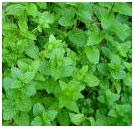 Peppermint, M. Piperita, is a wandering, invasive herb with a deep purple, square stem and deep green leaves. Peppermint has been used for centuries for it's culinary, medicinal, and aromatic properties.
Culture
Pot Size 6 to 8 inches container.
Seed Spacing Sow seeds 2" apart approximately 1/2" to 1/8" deeps.
Growing Mix Mix a little sand in with a good food-friendly potting soil.
Fertilizer Fertilize once a month with a liquid organic fertilizer.
Uses
 There are many ways to use the Peppermint in a variety of culinary recipes. One is to float some fresh Peppermint leaves in chilled summer drinks or add the herb as an ingredient in different fruit punches. The Peppermint must always be added as crushed leaves before use to bring out the optimum flavor in the dishes, unless of course, you are making use of the herb as a garnish for various salads and greens.
The classic application for mint of course is for roast lamb. However, the herb goes equally well with all meats including chicken and fish and especially with the hearty taste of wild meats such as venison, particularly if served with a berry sauce. Most vegetables also will be enhanced with the addition of mint, notably new potatoes, peas and carrots.
And you definitely have heard about peppermint oil. Peppermint oil like other herbs and spices has great medicinal properties. It has been used for years to clam digestion as it is an excellent digestive aid. Just a few drops in a glass of water make it a refreshing drink that has not only a good taste but also improves digestion. Peppermint oil fights against upset stomachs, stops the growth of unnecessary bacteria, calms and relaxes the muscles. Peppermint oil abandons gas, bloating and abdominal cramps and increases the formation of digestive fluids.
Related Articles:
Symbol of Happiness
Marjoram is easy to grow as a houseplant. After your have enjoyed it all winter, plant it outdoors after all danger of frost. If you have limited space, try this herb in a container on your patio or deck.
Marjoram has milder, sweeter flavour than oregano with perhaps a hint of balsam. It is said to be “the” meat herb but compliments all foods except sweets. Common to Mediterranean and Middle Eastern foods, marjoram is grown domestically and imported mostly from Egypt.
Culture
Pot size 6 to 8 inches.
Seed Spacing Difficult to space because of tiny seeds, spread on the top of soil and scratch into surface (very shallow).
Seed Germination 8 to 14 days.
Plant Spacing Plants should be spaced 15 to 18 inches (38 - 45cm) apart.
Soil Requirements Rich and well-drained
Growing Mix Mix two parts of potting soil to one part of coarse sand or perlite.
Fertilize Do not add fertilizer to Marjoram, and it will produce stronger flavor.
Sun Requirements Marjoram requires at least 5 hours of sunlight a day.
Water Requirements Water on a regular schedule, do not overwater.
Uses
 Marjoram really shines in the kitchen. Marjoram combines well with other seasonings and will enhance so many different dishes. Consider it a natural for meat dishes but don't hesitate to use marjoram to season vegetables served cooked or raw, fish and chicken or dishes with eggs and/or cheese. It is especially good along with other cooking herbs in beef stew.
 In China, Sweet Marjoram has traditionally been used both as a folk remedy and as a culinary herb. It is known for its soothing and warming properties and has been used to treat respiratory problems, nervous tension, menstrual and digestive difficulties.
Related Articles:
;;
Subscribe to:
Posts (Atom)