About Me

- Zoy
- Aurora, Canada
- Holistic lover, enjoy biodynamic gardening, natural life style and herbal medicine.

Subscribe To



 Posts
All Comments
Posts
All Comments


Best Herbs to Grow in a Container Garden
 Why paying high prices for packages of fresh herbs at the grocery store when you can easily grow them at home. If you have ever thought to grow an herb garden, you should know that herbs are some of the easiest plants to grow. Even if you don't think of yourself as having a green thumb, you can be a successful herb gardener if you grow the easiest herbs that can be used fresh or dried for your daily needs.
Why Should You Grow Your Own Herbs?
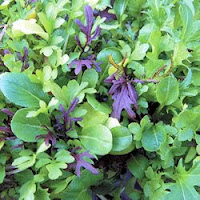 Do you buy or use herbs? Do you know here do they come from? You might be very surprised! Learn to grow herbs yourself you will know the herbs you have grown are the freshest and healthiest available.
 Herbs, in most cases, are tough wild plants which will thrive and romp away. It's a myth that all herbs need full sun, even famous basil likes partial shade at midday. So when planning your garden, you can divide your plants into two groups, those like thyme, sage, rosemary, french tarragon and oregano that like full sun; and those that like partial shade, such as rocket, sorrel, mizuna, mustard, parsley and chervil.
You can learn to grow your own healthy herbs for cooking, for teas, for herbal medicines and more.
Symbol of Happiness
Marjoram is easy to grow as a houseplant. After your have enjoyed it all winter, plant it outdoors after all danger of frost. If you have limited space, try this herb in a container on your patio or deck.
Marjoram has milder, sweeter flavour than oregano with perhaps a hint of balsam. It is said to be “the” meat herb but compliments all foods except sweets. Common to Mediterranean and Middle Eastern foods, marjoram is grown domestically and imported mostly from Egypt.
Culture
Pot size 6 to 8 inches.
Seed Spacing Difficult to space because of tiny seeds, spread on the top of soil and scratch into surface (very shallow).
Seed Germination 8 to 14 days.
Plant Spacing Plants should be spaced 15 to 18 inches (38 - 45cm) apart.
Soil Requirements Rich and well-drained
Growing Mix Mix two parts of potting soil to one part of coarse sand or perlite.
Fertilize Do not add fertilizer to Marjoram, and it will produce stronger flavor.
Sun Requirements Marjoram requires at least 5 hours of sunlight a day.
Water Requirements Water on a regular schedule, do not overwater.
Uses
 Marjoram really shines in the kitchen. Marjoram combines well with other seasonings and will enhance so many different dishes. Consider it a natural for meat dishes but don't hesitate to use marjoram to season vegetables served cooked or raw, fish and chicken or dishes with eggs and/or cheese. It is especially good along with other cooking herbs in beef stew.
 In China, Sweet Marjoram has traditionally been used both as a folk remedy and as a culinary herb. It is known for its soothing and warming properties and has been used to treat respiratory problems, nervous tension, menstrual and digestive difficulties.
Related Articles:
Easy and Useful
Summer savory, which is more highly prized as a spice and as a folk medicine, is an annual; Winter savory is a perennial. For hundreds of years, they both have enjoyed a reputation as sex herbs. Summer savory was believed to increase desire (act as an aphrodisiac), and winter savory was believed to decrease the sex drive (anaphrodisiac). It is easy to see why Summer savory became the more popular herb.
Culture
Pot Size 6 inch wide, 10 inch deep container.
Seed Spacing Savory seeds should be spaced 1/2 " apart at 1/8" depth.
Seed Germination 10 to 18 days.
Plant Spacing Savory plants should be spaced 3 to 5 inches (7- 12cm) apart.
Soil Requirements Well drained and moderately fertile.
Growing Mix Use a mix of about two parts potting soil to one part coarse sand or perlite.
Fertilizer Feed with fish/seaweed liquid fertilizer every 3-1/2 weeks.Less fertilizing is needed in the late winter.
Sun & Lighting Savory prefer full sun. It needs at least 5 hours of direct sunlight a day.
Water Requirements Water on a regular schedule, taking care to not overwater.
Uses
 Summer savory is a traditional popular herb in Atlantic Canada, where it is used in the same way Sage is elsewhere. Savory gives an excellent flavor to beans and other legumes. In fact, its German name is Bohnenkraut or bean herb. Both savories, as well as the aromatic volatile oils obtained from them, are much used in flavoring various kinds of sausages. Also used very often with a lighter meats such as chicken or turkey and can be used in stuffing.
It has a strong flavour while uncooked but loses much of its flavour under prolonged cooking.
Savory also has marked medicinal benefits, especially upon the whole digestive system, it settles gas and stimulates the digestion. Taken internally, it is said to be a remedy for colic and a cure for flatulence. Savory is belived to be effectual, when combined with hot water in the form of a herbal tea, for minor throat irritations. A sprig of the plant, rubbed onto bee or wasp stings, brings instant relief.
Related Articles:
;;
Subscribe to:
Posts (Atom)