Takes just a little space but give so much pleasure!
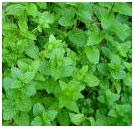 Peppermint, M. Piperita, is a wandering, invasive herb with a deep purple, square stem and deep green leaves. Peppermint has been used for centuries for it's culinary, medicinal, and aromatic properties.
Culture
Pot Size 6 to 8 inches container.
Seed Spacing Sow seeds 2" apart approximately 1/2" to 1/8" deeps.
Growing Mix Mix a little sand in with a good food-friendly potting soil.
Fertilizer Fertilize once a month with a liquid organic fertilizer.
Uses
 There are many ways to use the Peppermint in a variety of culinary recipes. One is to float some fresh Peppermint leaves in chilled summer drinks or add the herb as an ingredient in different fruit punches. The Peppermint must always be added as crushed leaves before use to bring out the optimum flavor in the dishes, unless of course, you are making use of the herb as a garnish for various salads and greens.
The classic application for mint of course is for roast lamb. However, the herb goes equally well with all meats including chicken and fish and especially with the hearty taste of wild meats such as venison, particularly if served with a berry sauce. Most vegetables also will be enhanced with the addition of mint, notably new potatoes, peas and carrots.
And you definitely have heard about peppermint oil. Peppermint oil like other herbs and spices has great medicinal properties. It has been used for years to clam digestion as it is an excellent digestive aid. Just a few drops in a glass of water make it a refreshing drink that has not only a good taste but also improves digestion. Peppermint oil fights against upset stomachs, stops the growth of unnecessary bacteria, calms and relaxes the muscles. Peppermint oil abandons gas, bloating and abdominal cramps and increases the formation of digestive fluids.
Related Articles:
No comments:
Post a Comment