Fresh and Tasty Digestion Helper
Basil is truly an incredible herb. It is enjoyed for its rich and spicy, mildly peppery flavor with a trace of mint and clove. Basil is an annual herb belonging to the mint family. Ocimum basilicum or Sweet Basil is the most commonly known and grown. Ocimum is from a Greek verb that means "to be fragrant." Flowers on the ends of branches are either white or lavender. Basil is native to India and Asia and having been cultivated there for more than 5,000 years.
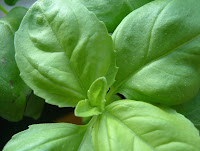
With so many attributes it isn't any wonder that basil has become increasingly popular over the years. Being a member of the mint family, it is not surprising to see it recommended for digestive complaints. So instead of an after dinner mint, try sipping an after dinner cup of basil herbal tea to aid digestion and dispel flatulence.
Herbalists have recommended basil for years for stomach cramps, vomiting and constipation. Basil has been described as having a slight sedative action, which would explain why it is sometimes recommended for headaches and anxiety.
Herbalists have recommended basil for years for stomach cramps, vomiting and constipation. Basil has been described as having a slight sedative action, which would explain why it is sometimes recommended for headaches and anxiety.
Sun & Lighting Grow best in a sunny location.
Uses
 The best flavour is found in fresh leaves, but frozen and dried leaves are worth the effort also. The leaves can be used cooked or raw. Crush, chip or mince the leaves and add to recipes, or add whole leaves to salads. Sprigs of basil make a wonderfully aromatic garnish. The flowers are beautiful, edible, and also make a unique garnish.
Basil is traditional in Italian, Mediterranean and Thai cookery. It is superb with veal, lamb, fish, poultry, white beans, pasta, rice, tomatoes, cheese and eggs. It blends well with garlic, thyme and lemon. Basil adds zip to mild vegetables like zucchini, summer squash, eggplant, potatoes, cabbage, carrots, cauliflower, parsnips, spinach and to the soups, stews and sauces in which these vegetables appear, and to add to its versatility, basil is also one of the ingredients in the liqueur chartreuse.
Related Articles:
No comments:
Post a Comment